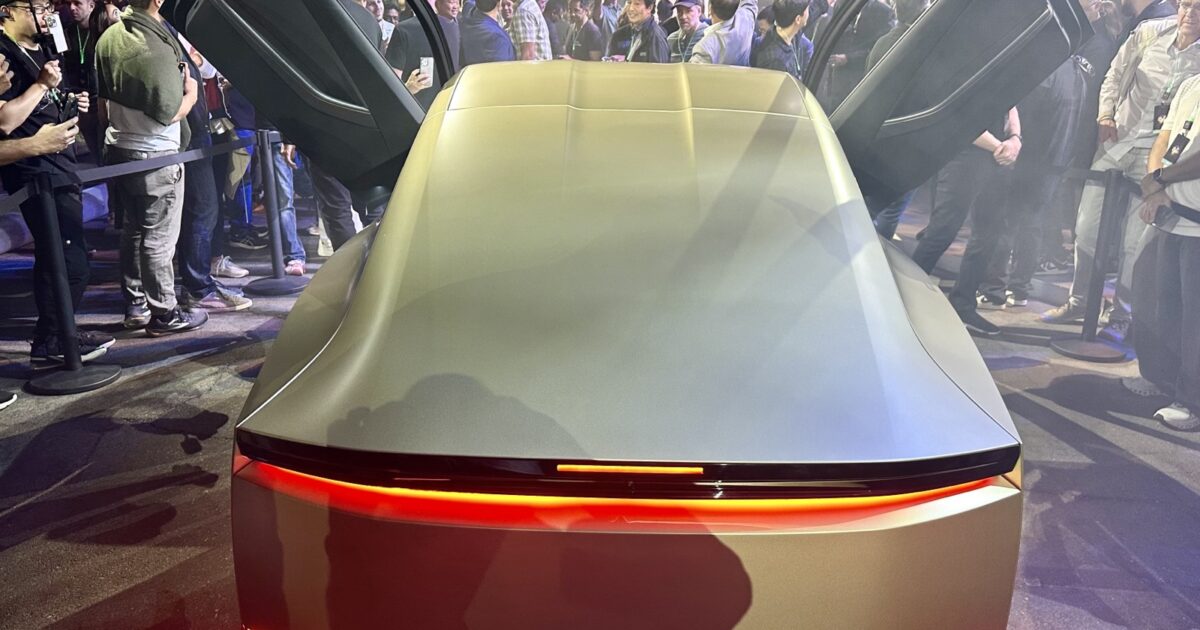
Tesla answered the federal government’s toughest questions about how the steering-wheel-free Cybercab meets U.S. safety rules.
The public still cannot see those answers.
Tesla met its extended October 30 deadline in the National Highway Traffic Safety Administration’s Cybercab certification audit, then asked the agency to treat the substance of its response as confidential business information.
NHTSA has not accused Tesla of a violation. The practical result is still striking: the most important technical evidence in a closely watched safety review remains hidden while Cybercab service and marketing continue to expand.
Tesla Responds, But Keeps Cybercab Certification Answers Confidential in NHTSA Safety Audit https://t.co/jh54oSFpNP
— Drive Tesla 🇨🇦 (@DriveTeslaca) November 5, 2026
The current reporting points to the public docket, but the docket itself is the evidence that matters. It shows what Tesla disclosed, what it withheld and what NHTSA demanded under oath.
The public filing is one sentence
Tesla’s public NHTSA response is dated October 30 and runs one page. It identifies Tesla’s Austin address and says the entire file is confidential business information.
No test results, engineering analysis or standard-by-standard explanation appears in the public version.
That filing matters because it arrived in response to a formal Special Order, not an informal request for comment. NHTSA required Tesla to search its records, answer every request and have a responsible officer swear that the production was complete and correct.
The public page does not reveal who signed the affidavit, which standards Tesla says apply or how the company tested compliance. It confirms only the filing date, Tesla’s confidentiality position and the fact that the substantive response was delivered outside public view.
A separate NHTSA docket notice addresses Question 8, the request at the heart of the audit. It says every remaining document responsive to that question carries a manufacturer request for confidential treatment covering the full document.
Question 8 did not ask for marketing language. It asked Tesla to explain how it determined that Cybercab complies with every safety standard the company identified as applicable, including whether it used engineering analysis, physical tests, simulations or another method.
NHTSA has not publicly said that Tesla’s confidentiality request has been granted or denied. Until the agency makes that determination, the protected material stays out of public view.
The notice is narrow, but its scope is broad: each remaining Question 8 document is covered in full, including the narrative answers rather than a few isolated diagrams, measurements or trade-secret passages. That leaves no public version of Tesla’s standard-by-standard compliance case to compare with the questions regulators asked.
NHTSA asked 21 questions under oath
NHTSA’s Special Order shows why the missing answers matter. The September 10 order contains 21 requests and requires a responsible Tesla officer to attest under oath that the company’s answers and document search are complete and correct.
The order is a legal demand issued by NHTSA’s chief counsel, with Tesla instructed to repeat each question above its answer and identify where the information came from.
The agency asked for Cybercab’s automation level, commercial operating locations, operational limits and plans for scaling beyond the initial deployment. It also asked whether temporary human-driver controls played any role in Tesla’s certification process and what happens when those controls are removed.
Tesla also had to identify the source and collection date for each answer, produce an index of its documents and explain any requested material it could not provide.
Then the order gets specific.
NHTSA asks about controls and warning indicators, shift-position displays, self-canceling turn signals, inside and outside mirrors, rearview images, stability-control telltales and touchscreen controls that could move the vehicle.
The sharpest question concerns the service brake. The current federal standard says the service brakes must be activated by a foot control.
Cybercab has no permanently attached foot pedal, so NHTSA asked Tesla to explain in detail how it determined the vehicle complies.
The final request asks how Tesla certified Cybercab without a temporary exemption under Part 555, even though the agency previously said more rule changes would likely be needed before a vehicle operated only by an automated driving system could be sold without such an exemption.
Those are not abstract questions. They go directly to Tesla’s decision to self-certify a purpose-built robotaxi that removes hardware federal standards have historically assumed would be present.
The order also spells out the stakes for an incomplete or false response. NHTSA cites civil penalties that can reach $139.4 million for a related series of daily violations and possible criminal penalties for falsifying or withholding information.
The audit followed Cybercab’s commercial launch
NHTSA’s opening audit record says Tesla began commercial Cybercab deployment in Austin on September 3. The agency estimated a population of 1,000 vehicles and said it would examine the process and technical data behind Tesla’s certification.
The record also notes that Tesla planned to expand to more vehicles and locations. NHTSA’s stated focus is whether the company treated some standards as inapplicable because Cybercab performs the driving task itself and lacks a brake pedal, accelerator, steering wheel and mirrors.
The agency’s public explanation is careful: U.S. automakers generally certify their own vehicles, while NHTSA sets performance standards and can audit the basis for that certification. Opening an audit is not the same as declaring a vehicle illegal.
It is a demand to show the work.
Tesla received more time, then filed on the deadline
NHTSA’s extension memorandum records that Tesla asked for eight additional weeks, moving the deadline from September 30 to November 20. The company cited the volume of the request and the need to search records, review privilege and organize thorough narrative responses.
NHTSA granted 30 days instead. That made October 30 the new deadline, and Tesla filed on time.
The timeline undercuts any suggestion that Tesla simply ignored the order. The company asked for more time, received half of what it requested and submitted its response on the revised due date.
NHTSA’s public file proves the response arrived. What remains unavailable is Tesla’s safety case itself, leaving the agency as the only outside party able to assess it.
The memo also shows the agency expected thorough narrative answers, not a document dump. That makes the absence of a usable public version more consequential.
The public rollout has not paused
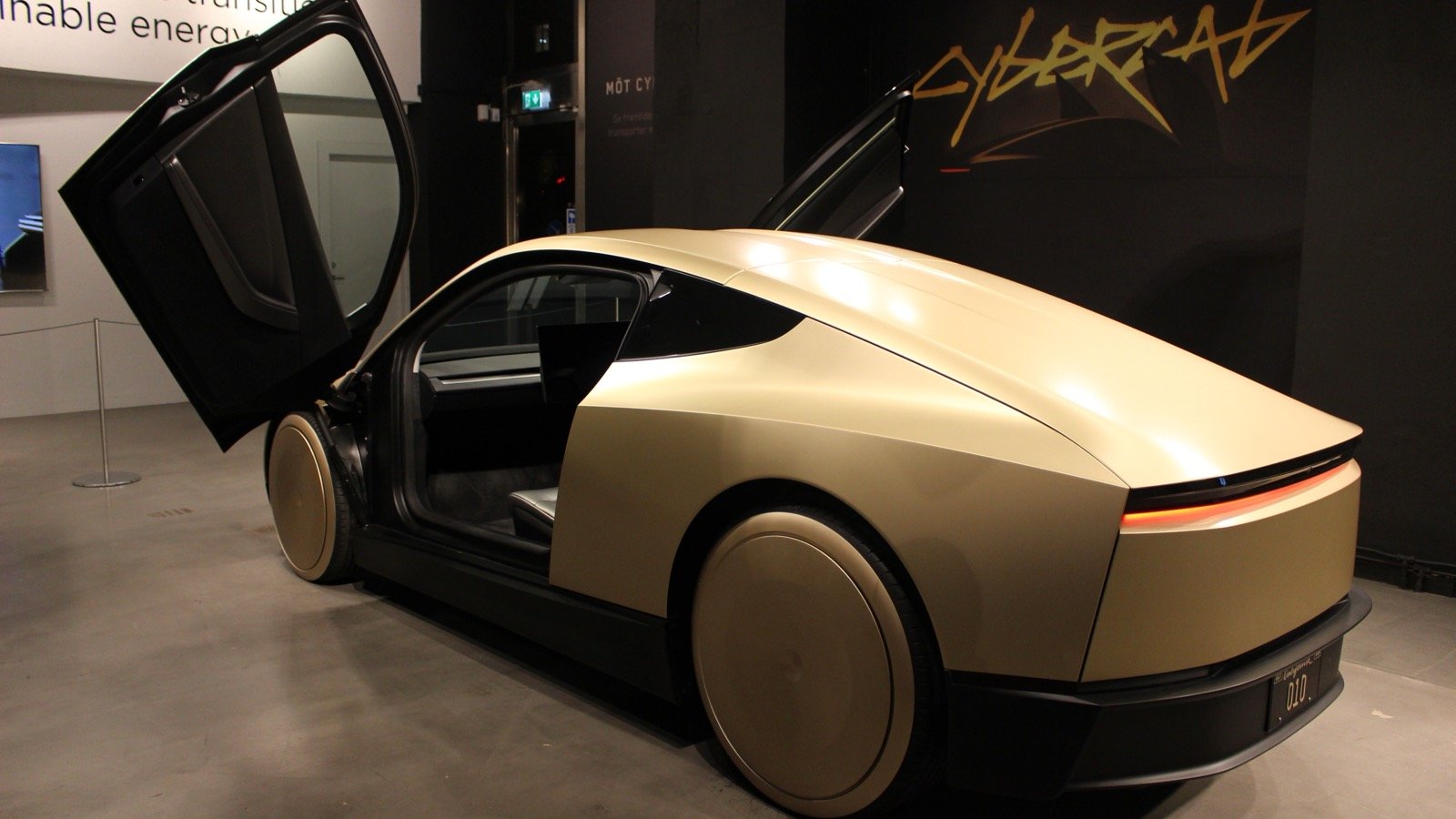
While the U.S. audit works through federal certification questions, Tesla is still putting Cybercab in front of potential customers around the world.
Cybercab officially on Melbourne ground pic.twitter.com/Si3Dh4b9AL
— Tesla Australia & New Zealand (@TeslaAUNZ) November 4, 2026
The Melbourne clip is promotional, not evidence about the NHTSA case. It is useful context because it shows how far apart the two conversations have become.
Tesla’s public message is that Cybercab represents the future of autonomy. NHTSA’s questions are about the present rules: which standards apply today, how compliance was tested and whether a no-controls vehicle can be sold without an exemption.
Tesla may have strong technical answers. Some of those answers may contain legitimate trade secrets that deserve protection.
But a request to hide every substantive answer also leaves owners, riders and investors unable to evaluate the safety case for themselves.
The next meaningful development will not be another showroom stop. It will be NHTSA’s decision on confidentiality—and, eventually, whether Tesla’s actual certification case survives the audit.
Join the conversation!
Please share your thoughts about this article below. We value your opinions, and would love to see you add to the discussion!