
Tesla’s Robotaxi service is now live in Fort Worth, giving North Texas a second service zone and putting another major city on the company’s autonomous ride-hailing map.
The official Robotaxi account announced a 6 a.m. Central start for Monday and published a new launch geofence around Fort Worth. The post was short, but the map makes the move real: this is an operating service area, not another city on a future-expansion list.
Robotaxi available in Fort Worth starting tomorrow, 6am pic.twitter.com/Tlk4y3mIf0
— Robotaxi (@robotaxi) November 2, 2026
What Tesla did not say matters just as much. The company did not disclose how many vehicles are starting in Fort Worth, whether riders will see Model Ys or Cybercabs, what trips will cost, or whether the Fort Worth and Dallas zones will eventually meet.
Fort Worth gets its own launch zone
The blue boundary on Tesla’s map wraps around downtown and stretches toward Saginaw to the north, White Settlement to the west, Benbrook to the southwest and Haltom City and Forest Hill along the eastern and southern sides.
That gives Fort Worth a meaningful footprint on day one, but Tesla did not publish an official area measurement. Any square-mile figure circulating today is an outside estimate.
TeslaNorth reports that Fort Worth is Tesla’s fourth Texas Robotaxi city after Austin, Dallas and Houston. Its review of the launch map also notes the same surrounding communities and points out the unanswered operational questions: fleet size, vehicle mix, safety staffing, pricing and whether the first-ride promotion seen elsewhere applies here.
The timing puts Fort Worth into a fast-moving Texas rollout. Tesla recently enlarged its Houston service area and extended Robotaxi hours to a 6 a.m.-to-2 a.m. window, which means the network is expanding geographically while it also tries to cover more of the day.
One same-day estimate puts Fort Worth’s geofence at 143 square miles. That would make it larger than neighboring Dallas, although the number comes from map analysis rather than Tesla.
Tesla's Unsupervised Robotaxi service is now available in 7 cities as of Nov 2nd.
Updated Robotaxi geofence sizes (in square miles):
• Austin: 272
• Houston: 254
• Fort Worth: 143 (New city launch on Nov 2)
• Dallas: 81
• Miami: 31
• Orlando: 26
• Tampa: 24 pic.twitter.com/YteD9CQIHQ— Sawyer Merritt (@SawyerMerritt) November 2, 2026
The exact estimate can wait. Tesla’s own map already shows that Fort Worth opened with a substantial standalone zone rather than a tiny demonstration loop.
Tesla is adding cities while the fleet changes
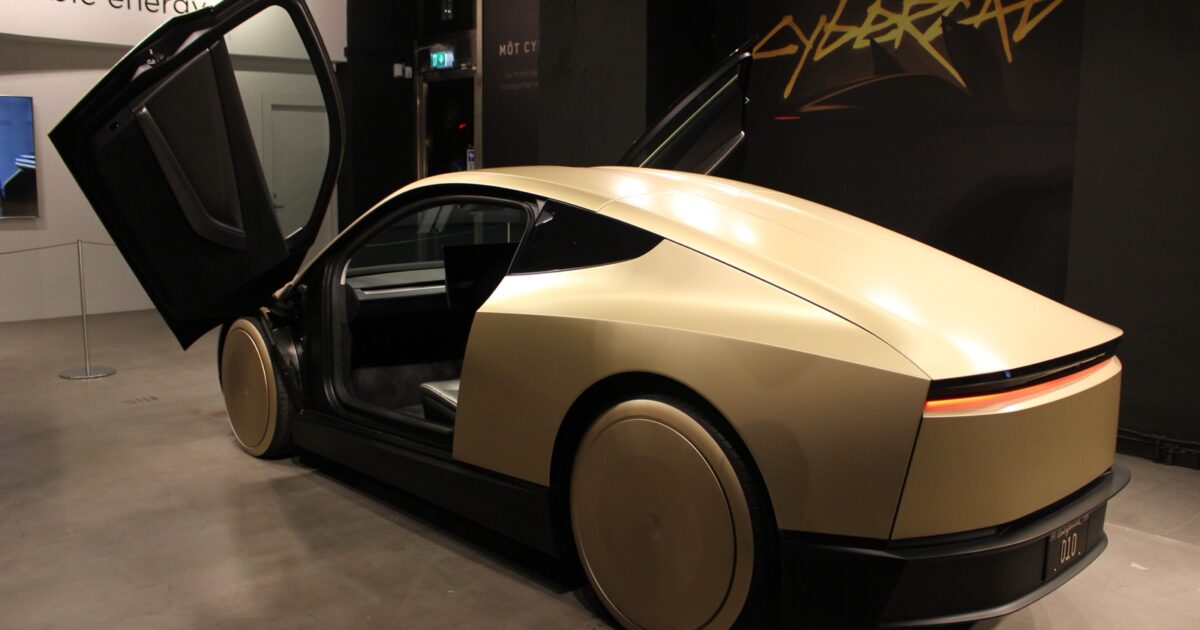
Tesla says in its Q3 2026 update that the company began deploying Cybercab into its Austin Robotaxi fleet and reached nearly two million cumulative unsupervised miles by the end of September. Tesla also said it expected shorter wait times through more fleet supply and better orchestration software.
That filing shows why the missing Fort Worth vehicle count is more than a footnote. Tesla is trying to scale the service and introduce its purpose-built two-seat Cybercab at the same time, so each new market is a test of both software and fleet logistics.
Tesla has not identified the launch mix for this city. Until the company or riders document what is actually operating there, nobody should assume Fort Worth opened with either Cybercabs or Model Ys.
The safety record needs its full context
Tesla says in its Robotaxi safety report that 2.95 million of the autonomous miles in its covered period were driven in Austin, Dallas and Houston. The report covers Robotaxi driving from January 22 through October 18 and also includes Florida operations when it describes real-world conditions.
Tesla reports no deployments of its own airbags and no pedestrian or cyclist collisions in which Robotaxi made first contact during that period. It also explains that its focused data excludes events and mileage involving an in-vehicle safety monitor, while federal crash-reporting data use broader definitions and arrive with a reporting lag.
That methodology is important as Fort Worth joins the network. A growing service should be judged by transparent city-level operations, clear incident definitions and results that continue to hold as the fleet encounters more riders, roads and weather.
North Texas now has two pieces of the network
Dallas and Fort Worth are separate service zones today. Tesla has not said whether it intends to bridge them across the wider metroplex, and the launch map should not be stretched into that promise.
Still, opening Fort Worth gives Tesla a second base in one of America’s largest metropolitan regions. The next proof will come from the basics: cars arriving when summoned, reliable rides across the published zone, transparent operating rules and honest answers about which vehicles are carrying people.
The map is live. Now Fort Worth riders decide whether it works in practice.
Join the conversation!
Please share your thoughts about this article below. We value your opinions, and would love to see you add to the discussion!