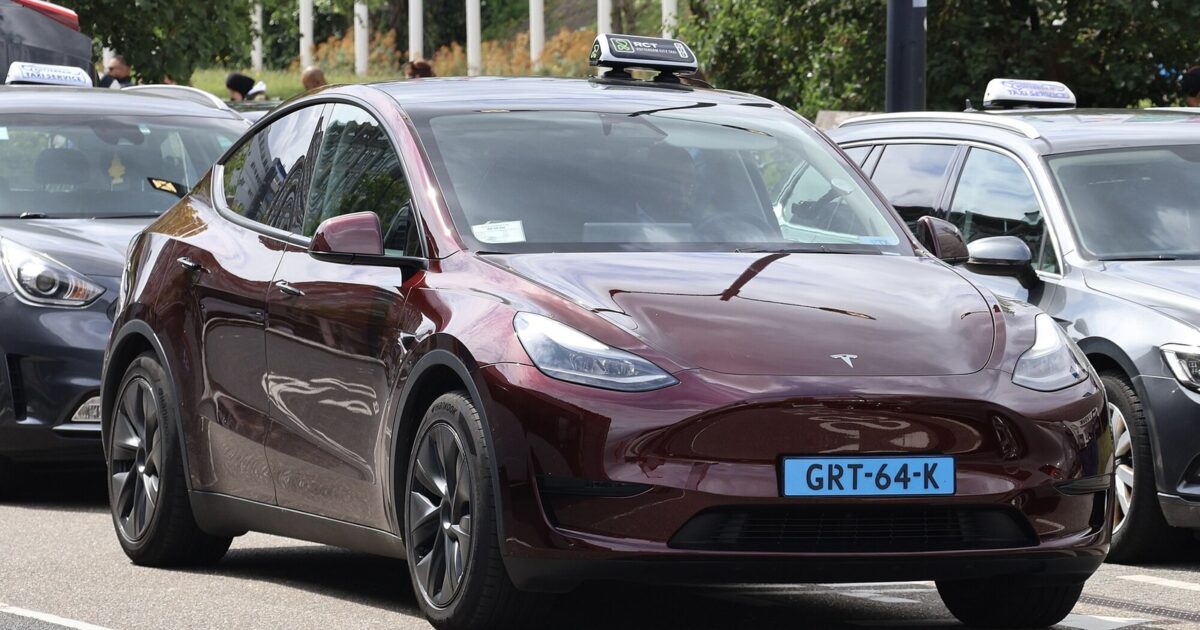
Finland is not waiting for the rest of the European Union to finish debating Tesla Assisted Driving.
The country’s transport regulator has recognized the provisional Dutch type approval, which means Tesla can begin offering the supervised driver-assistance system to Finnish customers immediately.
Tesla’s own rollout is not quite as immediate. The company says it begins soon, without giving owners a date.
Now approved in Finland 🇫🇮
Rollout begins soon pic.twitter.com/qrZinclU8N
— Tesla Europe, Middle East & Africa (@teslaeurope) November 11, 2026
The short announcement comes with a much bigger regulatory story behind it. Finland moved ahead because Tesla changed both the way the software is described and some of the controls that worried European authorities.
Why Finland moved before Brussels
Traficom says it recognized the provisional approval issued by the Netherlands on November 10. That decision allows Tesla Assisted Driving to be used on Finnish roads and lets Tesla start offering it to customers without waiting for a final EU-wide vote.
The Finnish agency openly acknowledges that it is moving faster than the bloc. Its reasoning is unusually practical: Tesla has made changes requested by member states, and an earlier launch gives Finnish drivers time to learn the system before the hardest winter conditions arrive.
That does not make snow and ice a solved problem. Traficom warns that covered cameras, slush, dirt, strong crosswinds and difficult road conditions can limit the system.
A driver may need to put hands on the wheel, brake or steer before the car asks for help.
The name changed because the responsibility did not
The European product is no longer called FSD (Supervised). It is now Tesla Assisted Driving, a name intended to make the system’s legal status harder to misunderstand.
The car may steer, accelerate and brake through complicated traffic, but the person behind the wheel remains responsible. Traficom’s message is blunt: the driver is still driving even when they are not physically touching the controls.
That includes speeding. The driver must know the posted limit, watch the speed the car selects and accept the ticket if the system exceeds it.
The Netherlands Vehicle Authority approved the revised name and tighter speed settings on November 3. The maximum speed margin was cut from 50% above the limit to 10%, and the setting now resets to zero deviation each time the vehicle starts.
RDW says the update applies to cars with Hardware 4 or later. It found no adverse or unintended effect from the changes, and it kept the existing provisional approval in force rather than requiring Tesla to start the process over.
Those changes help explain why Finland was willing to move now. They also show that European approval has not been a ceremonial rubber stamp.
Regulators pushed Tesla to describe the product more accurately and narrow a speed feature that could invite misuse.
Approval does not mean every Finnish car switches on today
There are two separate clocks running.
Finland’s legal recognition is already in place, and Tesla is allowed to offer the system. Customer activation, however, depends on Tesla’s software rollout and vehicle eligibility.
EV reports that Finland is the eleventh EU country to recognize the Dutch approval, following the Netherlands, Lithuania, Estonia, Denmark, Belgium, Slovenia, Czechia, Croatia, Slovakia and Latvia. The major markets of Germany, France, Italy and Spain have not yet taken the same national step.
The report says the original Dutch approval dates to April 10 and that Finland is only the second Nordic country to recognize it after Denmark. It also notes that the EU committee has discussed the file without completing the bloc-wide vote.
That vote needs at least 15 member states representing 65% of the EU population. Finland’s national recognition adds another country to Tesla’s map, but it does not supply the population weight of Europe’s biggest markets.
The report also draws an important line between approval and availability. Tesla Europe says rollout begins soon, not that every eligible Finnish owner can activate the feature today.
For owners, the real milestone will be the software appearing on their specific Hardware 4 vehicle.
The EU vote still matters
Finland’s decision does not settle the European question, and it does not bind Finland’s eventual vote.
A bloc-wide approval still needs to pass the European Commission’s Technical Committee on Motor Vehicles. Traficom expects that decision during the coming winter and says an approval would take roughly three weeks to become effective across the EU.
Until then, Tesla’s European rollout remains a country-by-country map. Finland just became the newest piece—and perhaps the most demanding cold-weather test yet.
The real measure will not be whether the system can impress on a clear demonstration drive. It will be whether ordinary drivers understand its limits when cameras are dirty, roads are icy and the machine still needs a human ready to take control.
Join the conversation!
Please share your thoughts about this article below. We value your opinions, and would love to see you add to the discussion!