SpaceX just put real factory hardware behind one of Elon Musk’s biggest ideas.
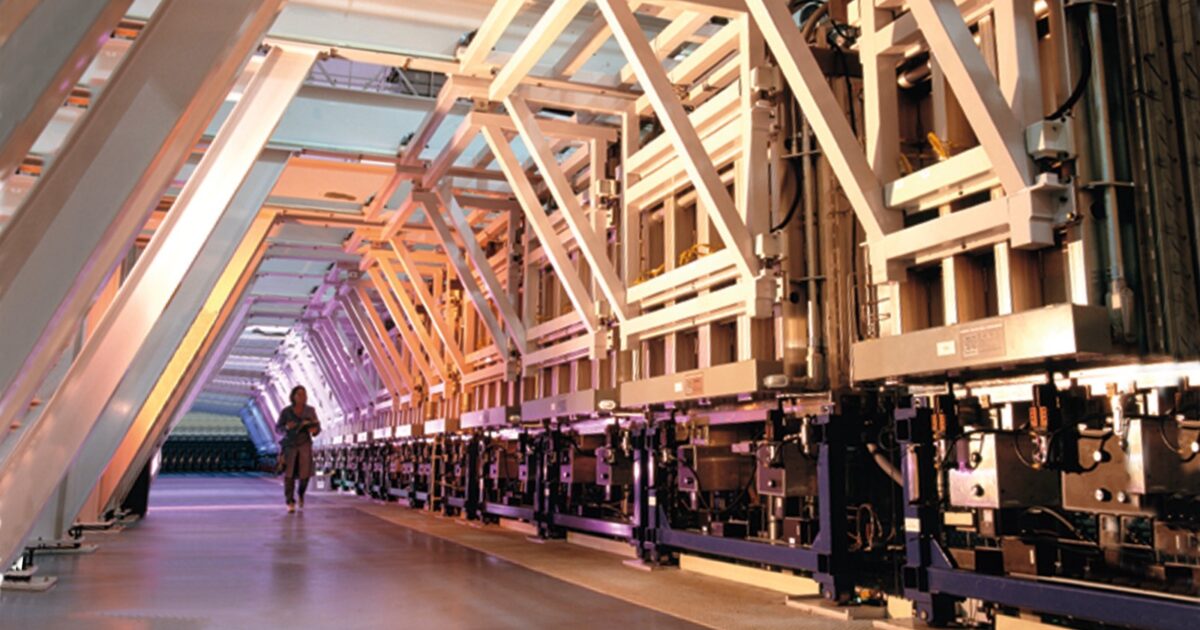
The company has signed a major supply contract with Germany’s SINGULUS TECHNOLOGIES for equipment that will manufacture high-efficiency solar cells for Starmind, SpaceX’s planned network of AI-computing satellites.
Musk says the order covers 100 gigawatts per year of heterojunction solar manufacturing equipment.
This goes beyond a satellite rendering, a future hiring plan or another broad promise about orbital AI. SpaceX now has a named supplier, a contract, a first delivery window and a production line worth more than 60 million euros.
We have signed a major supply contract with SINGULUS to create a durable option for advanced solar cell manufacturing to support more than 100 GW of equipment as we accelerate the production of our Starmind satellites in Bastrop, Texas → https://t.co/a9bXuUK6Ti
— SpaceX (@SpaceX) November 10, 2026
SpaceX’s announcement matters because it connects three pieces of the Starmind plan: solar power, mass satellite manufacturing and the company’s Bastrop, Texas, factory.
SINGULUS TECHNOLOGIES disclosed the commercial details behind the announcement. Its regulatory notice identifies Space Exploration Technologies Corporation as the customer and places the initial order inside a broader long-term supply relationship.
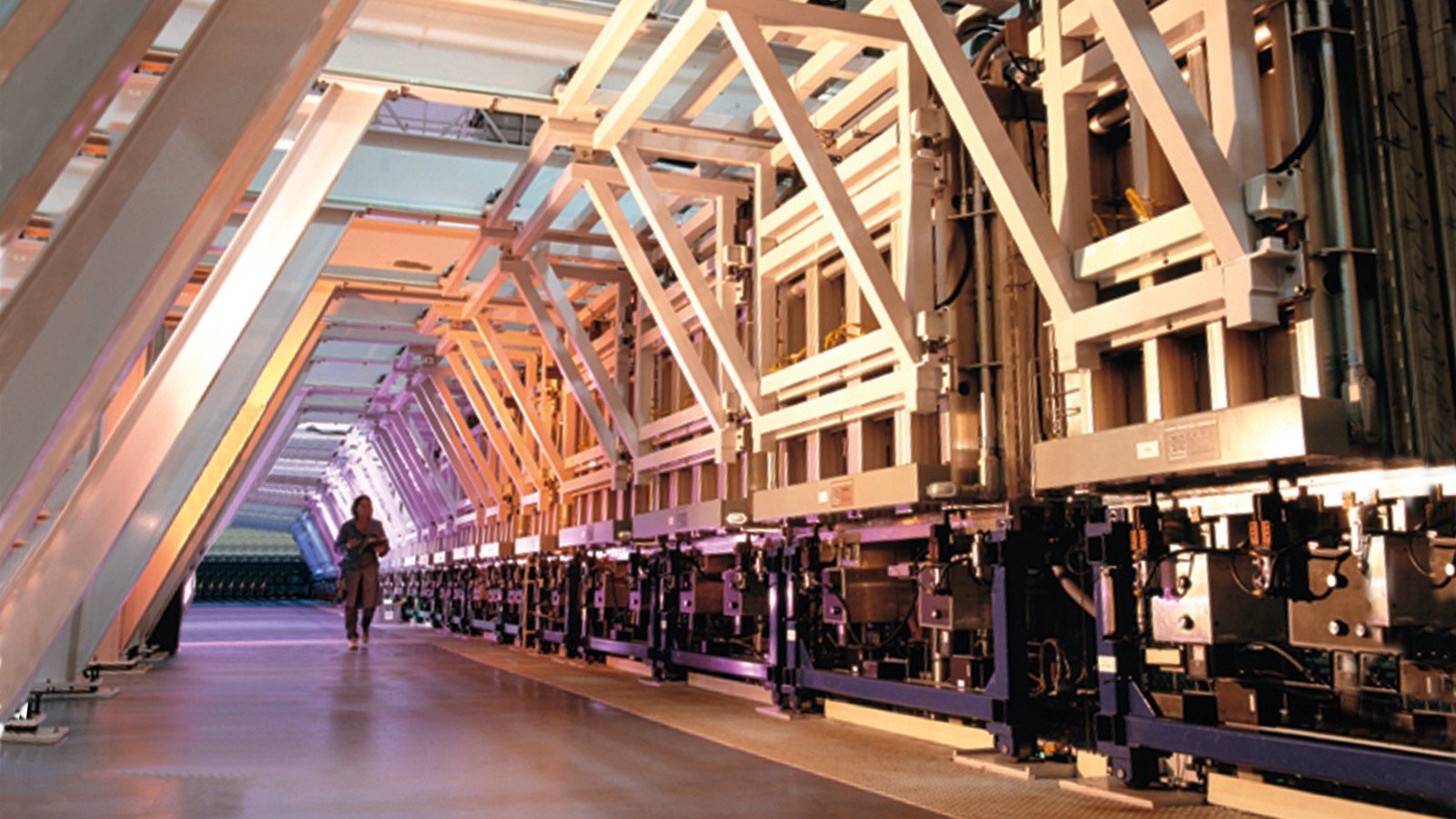
The German equipment maker says the contract covers a turnkey production line for heterojunction, or HJT, solar cells. The first line is valued at more than 60 million euros and is scheduled for delivery during the first half of 2027.
This is also bigger than one machine order. SINGULUS says the agreement is part of a strategic partnership under which it plans to deliver additional lines and jointly develop high-performance solar cells and the equipment required to manufacture them at scale.
The relationship did not begin this week. According to SINGULUS, the companies entered their strategic partnership in March 2026.
SpaceX supplied significant financing then and provided more funding in October through a secured subordinated loan.
That history shows SpaceX has been building this supply route for months. Tuesday’s announcement is the moment the plan became a disclosed factory contract with a price and a delivery schedule.
SINGULUS says the partnership will combine its established industrial processes with new cell and equipment development for SpaceX. The first delivery is one step in a larger planned manufacturing buildout, not the full 100-gigawatt end state.
HJT technology combines crystalline silicon with very thin amorphous-silicon layers. The goal is to reduce electrical losses at the cell surface and convert more sunlight into usable power.
That efficiency is especially valuable for a satellite. Every watt of power must be generated, managed and converted into useful computing work while the hardware survives launch, radiation and huge temperature swings.
Musk put the scale in his own terms later Tuesday.
SpaceX has ordered 100 GW/year of HJT solar manufacturing equipment from Singulus in Germany.
This is for Starmind to create a sentient sun. https://t.co/umtNyF9M7g
— Elon Musk (@elonmusk) November 10, 2026
The phrase “sentient sun” is classic Musk shorthand. The actual engineering plan is easier to understand when you look at what SpaceX says it wants to put in orbit.
SpaceX’s Starmind page describes satellites that would collect solar energy in space, run AI computing workloads onboard and send the results back through high-bandwidth laser links to the Starlink network.
The company’s first public satellite design, called AI1, is enormous by ordinary satellite standards. SpaceX lists a deployed height of 30 meters, a wingspan of 75 meters and a compute payload drawing up to 250 kilowatts at peak and 175 kilowatts on average.
SpaceX argues that orbit offers two things terrestrial data centers increasingly struggle to secure: abundant solar energy and a place to reject heat without competing for local land, grid connections and water. The company also says the satellite design borrows from technology it already manufactures at Starlink scale.
The planned Gigasat factory in Bastrop is supposed to turn that architecture into volume production. SpaceX says the facility is intended to support the production and deployment of thousands of AI satellites beginning as soon as late 2027.
The timing is tight. A solar-cell production line arriving in the first half of 2027 would need to be installed, qualified and ramped before it could feed a satellite factory targeting deployments later that year.
Drive Tesla Canada tied the supplier announcement to that manufacturing schedule and highlighted a statement from SpaceX Starlink senior vice president Mike Nicolls.
Nicolls said SINGULUS gives SpaceX a high-performance manufacturing path for the solar cells used on Starmind satellites at the Texas production facility. He described the supplier’s process expertise and SpaceX’s long-term commitment as the combination needed to scale solar production.
The report also emphasized a crucial distinction: SpaceX is buying the equipment that makes the cells instead of reserving finished panels from an outside vendor. That gives the company more control over output, process changes and the pace of a future satellite ramp.
None of this means thousands of Starmind satellites are guaranteed to launch in 2027. SpaceX still has to finish the factory, receive and qualify the equipment, manufacture flight-ready hardware and provide enough launch capacity to build a constellation of that size.
But there is a difference between a moonshot that exists on a presentation slide and one with a 60-million-euro production line on order.
Starmind now has a solar manufacturing supplier, an initial delivery date and a disclosed path toward extraordinary scale. The sentient sun is still a long way from orbit, but the machinery meant to power it is no longer imaginary.
Join the conversation!
Please share your thoughts about this article below. We value your opinions, and would love to see you add to the discussion!