A South Korean consumer group says Tesla spent years selling Full Self-Driving software to buyers whose cars could not legally use it.
Now the group is preparing to take that allegation to the Korea Fair Trade Commission, asking regulators to halt marketing for ineligible vehicles and consider fines.
The dispute is not about whether FSD works well on eligible cars. It is about whether Tesla took thousands of dollars for software while knowing that most of the Teslas being sold in South Korea were locked out by the country’s certification rules.
Reuters summarized the accusation as its exclusive report broke Wednesday evening in the United States:
Exclusive: Tesla has misled tens of thousands of South Korean customers by marketing driver-assistance software that the company knows cannot be legally used in most of its vehicles in the country, according to a complaint an advocacy group plans to file with a consumer…
— Reuters (@Reuters) November 4, 2026
No regulator has ruled on the group’s claim. The prices and vehicle counts explain why it is getting serious attention.
Reuters reports that Citizens United for Consumer Sovereignty plans to file its complaint on Thursday. The group wants a temporary cease-and-desist order covering FSD marketing for vehicles that cannot use the software, administrative fines, and a referral to state investigators.
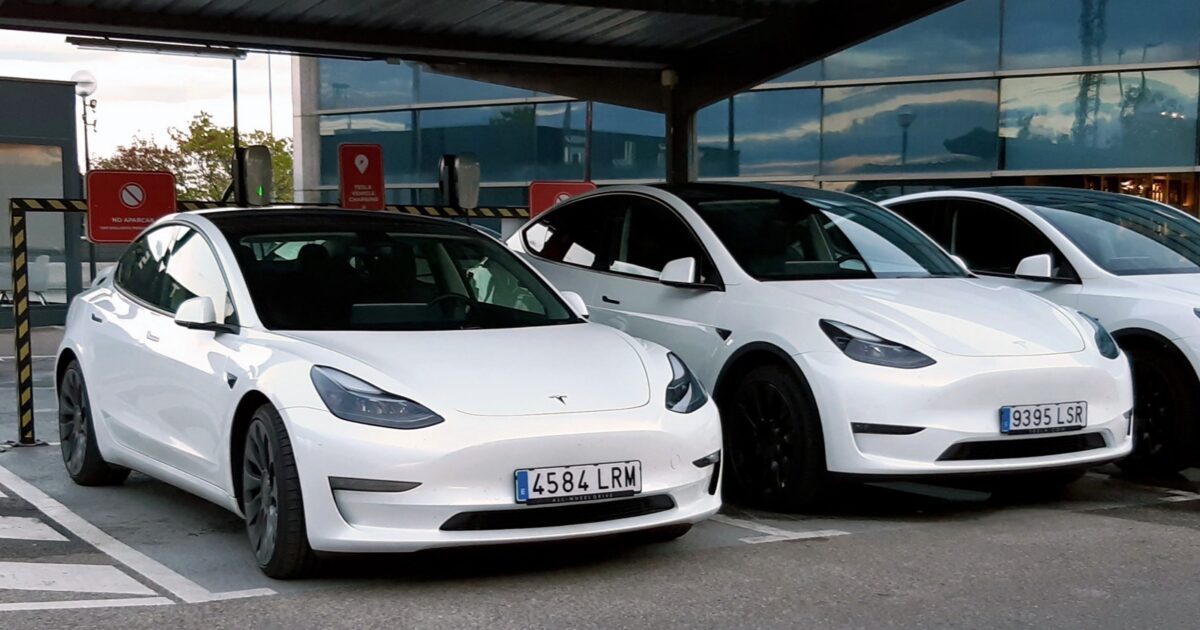
Tesla Korea country manager Seo Young-deuk testified last month that FSD could be used on roughly 20% of the Teslas registered in South Korea. Those are U.S.-built vehicles whose American safety certification is recognized under the Korea-U.S. trade agreement.
The mass-market problem sits on the other side of that line. Most Teslas sold in South Korea are built in China, where the same trade-agreement route does not apply.
Reuters says Tesla has sold more than 170,000 Shanghai-built vehicles in the country since 2023. Company data showed 99% of new Teslas sold there last year could not legally use FSD.
For years, Tesla charged a lump sum of 9.043 million won, about $6,726, for the package. It switched to a monthly subscription in August at 150,000 won, roughly $112.
The regulator is not starting from zero.
A KFTC official told Reuters that the agency opened an investigation into Tesla’s FSD advertising earlier this year and has received written responses from the company. Tesla did not respond to Reuters’ requests for comment on the planned complaint.
The vehicle-origin split was already under a spotlight before this complaint surfaced.
The Korea Times reported from an October 8 National Assembly audit that about 45,000 U.S.-made Teslas equipped with FSD were on Korean roads. Seo acknowledged that Tesla Korea had not formally requested testing from the land ministry or the Korea Transportation Safety Authority at that point, while saying the company would seek formal approval.
That testimony also put more than 70% of Tesla Korea’s sales in China-built vehicles, including the Model Y. In other words, the cars carrying Tesla’s growth were largely not the cars able to use the software under the existing Korean framework.
Tesla applied for certification of the China-built vehicles later in October, according to Reuters. That may eventually expand access, but it does not settle what buyers were told when they paid years earlier.
Tesla’s own current language is more explicit about the limits.
Tesla Korea lists FSD at 150,000 won per month for owners moving up from Basic Autopilot. The support page says availability depends on the vehicle’s configuration, hardware, software, region, model, trim, and model year, and that future activation remains subject to development and regulatory approval.
The company also says only eligible vehicles will display the subscription option and stresses that FSD is supervised driver assistance, not autonomous driving. Drivers must remain attentive and ready to take control.
Those disclosures matter now, but the consumer group’s complaint is aimed at the earlier sales period and the way FSD was promoted while the eligibility gap remained.
No court or regulator has concluded that Tesla deceived buyers. The complaint described by Reuters is still an allegation, and the KFTC has not issued a stop order or fine.
The next hard evidence will be the actual filing, Tesla’s response, and any action from the commission. The key question is simple: when customers paid for FSD, did Tesla clearly tell owners of China-built cars that Korean law could keep the software unavailable for years?
That answer could matter far beyond one software package. Tesla increasingly sells vehicles as platforms for paid features, and regulators are now testing where a future promise ends and a present consumer obligation begins.
Join the conversation!
Please share your thoughts about this article below. We value your opinions, and would love to see you add to the discussion!