

Tesla has widened the daily operating window for Robotaxi—and says the driverless side of the fleet is finally getting much larger.
The service now runs from 6:00 a.m. to 10:00 p.m., seven days a week, across Austin, Dallas, Houston, Miami, Orlando and Tampa.
Tesla also says it has upgraded the intelligence that decides where vehicles should be positioned and how they are routed. The practical promise is simple: more cars available, placed more intelligently, with less time spent waiting for one.
The company put all three changes into a single official update Wednesday afternoon.
Robotaxi now runs 6am to 10pm, 7 days/week
Unsupervised fleet is a lot bigger
Also, upgraded intelligence in vehicle distribution & routing means you wait less pic.twitter.com/UFZ4bqg2dZ
— Tesla Robotaxi (@robotaxi) August 26, 2026
The wording is notable. Tesla did not say the fleet is merely planned to grow. It said the unsupervised fleet is already “a lot bigger.”
What Tesla did not provide is the number that would let riders and investors measure that change. There is no total vehicle count, no city-by-city breakdown and no comparison with last week or last month.
That makes the longer operating window the clearest part of the announcement. Sixteen hours a day, every day, is a meaningful step toward making Robotaxi useful for ordinary commuting, airport trips, errands and evening plans instead of treating each ride like a limited pilot demonstration.
Tesla Support confirms that Robotaxi is currently available in limited areas of the six cities shown in Wednesday’s announcement. Riders request a trip through the Robotaxi app, enter a destination inside the service area, review the estimated fare and wait time, and receive a notification when the assigned vehicle is approaching.
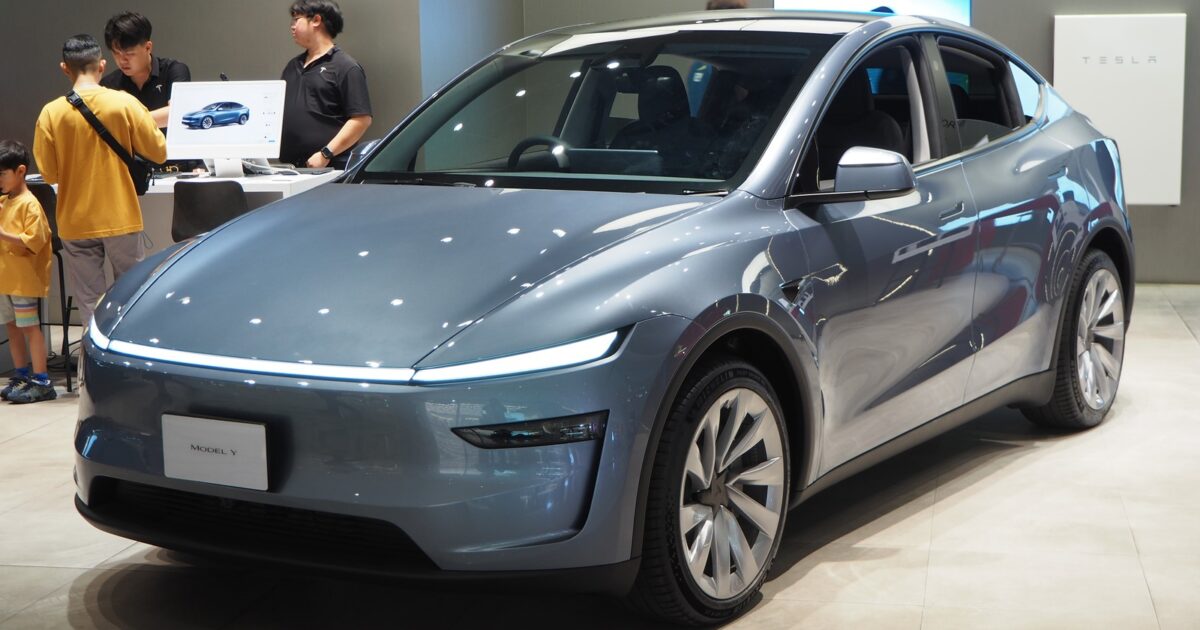
The official guide says the initial fleet consists of Model Y vehicles. A rider checks the license plate, enters the car, fastens the seat belt and starts the trip from the app.
The front-left seat remains off limits, even though an unsupervised vehicle has no human driver sitting there.
Tesla also gives passengers direct controls for climate, seat position and entertainment. The app and center display show trip progress, and riders can ask the vehicle to pull over or stop if needed.
There is one important qualifier in the support material: operating hours may vary by area. Wednesday’s graphic presents the 6:00 a.m.–10:00 p.m. window across the six-city network, but local availability still depends on what the app shows for a rider’s location.
Not a Tesla App traces the program from its June 2025 public launch in Austin, when roughly 20 Model Ys operated with a safety monitor in the front passenger seat. Tesla began testing unsupervised cars in Austin that December and started offering some public rides without an in-car monitor in January 2026.
The service then reached Dallas and Houston in April, followed by Miami, Orlando and Tampa during the summer. Wednesday’s announcement carries one operating schedule across a six-market network in two states, far beyond the original Austin experiment.
A larger unsupervised fleet could mean Tesla added vehicles, moved more existing Model Ys from supervised to unsupervised operation, or did some of both. Tesla’s statement does not separate those possibilities.
Tesla provides the earlier company baseline in its Q4 2025 shareholder update. At the start of 2026, the company described Austin as “ramping unsupervised” and listed Dallas, Houston, Miami, Orlando and Tampa as planned first-half markets.
The same update said Tesla had begun removing the safety monitor from a limited number of Austin customer rides in January. Its coverage table was still a roadmap then.
Seven months later, those six cities appear together on the current Robotaxi service graphic.
The investor update also said the Robotaxi iOS app no longer had a waitlist in the areas Tesla served. It framed the first monitor-free Austin rides as the step that would unlock a wider fleet and broader coverage.
That is real progress, but the unanswered fleet-count question still matters. A service can claim broad geographic reach while leaving riders with long waits if too few cars are distributed across too much territory.
Tesla’s routing upgrade is aimed directly at that problem. Ride-hailing networks have to anticipate demand, move empty vehicles before requests arrive, balance charging needs and avoid leaving too many cars concentrated in the wrong neighborhood.
Better self-driving alone does not solve any of that. The fleet has to operate as a network.
Wednesday’s update suggests Tesla is now working that second problem at the same time it expands unsupervised driving. If the larger fleet and smarter placement deliver the shorter waits Tesla is promising, riders should notice without needing a technical release note.
The next proof will be visible in the app: more available cars, steadier pickup times and fewer trips blocked by the clock.
For now, Tesla has given Robotaxi a full seven-day schedule and most of the waking day. It has not yet told us exactly how many driverless Model Ys are carrying that load.
Join the conversation!
Please share your thoughts about this article below. We value your opinions, and would love to see you add to the discussion!