

SpaceX’s “lucky” Starship has made it to safer water after one of the strangest journeys any spacecraft has taken.
Ship 40 spent about 24 days in the Indian Ocean after Flight 13. It survived reentry, splashed down intact, stayed afloat through rough seas and has now been guided to a position just off Christmas Island.
That was never the original plan. SpaceX expected the test vehicle to end its mission in the ocean.
Instead, engineers now have a space-flown Starship they may be able to inspect up close—and perhaps bring all the way back to Texas.
The latest images show the battered vehicle still floating as the recovery team reaches a major waypoint:
After approx. 24 days at sea, the SpaceX Recovery team successfully guided Starship to a location just off the coast of Christmas Island. A team of SpaceX engineers is on their way to conduct additional analysis on the vehicle in calmer waters before attempting to return it to… pic.twitter.com/h6YYWb0LT5
— SpaceX (@SpaceX) August 18, 2026
SpaceX says engineers are heading to the area to examine Ship 40 in calmer water before attempting to return it to Starbase.
That last part will be its own operation. Christmas Island is a haven compared with the open Indian Ocean, but it is still thousands of miles from SpaceX’s home on the Texas coast.
San Antonio Express-News reports that crews fought high winds and seas while moving the roughly 170-foot spacecraft about 500 miles from its July 24 splashdown area. The 300-foot service vessel Normand Ranger handled much of the towing work, with Go Australis and Skimmer Tide also supporting the effort.
At one point, conditions included winds near 30 mph and seas reaching 14 feet. The convoy’s best pace was only about 3 knots—roughly 3.5 mph—which explains why a recovery that sounds simple on paper stretched across more than three weeks.
SpaceX has not announced exactly how Ship 40 will make the next leg. The company could rig the vehicle for another long tow or move it onto a specially equipped cargo vessel for transport to mainland Australia and, eventually, Starbase.
The Australian Space Agency helped coordinate the recovery, according to the report. Residents and boaters gathered around Christmas Island to see a 170-foot spacecraft arrive from the open ocean—a sight no port manual was written to handle.
This story began at Starbase on July 24.
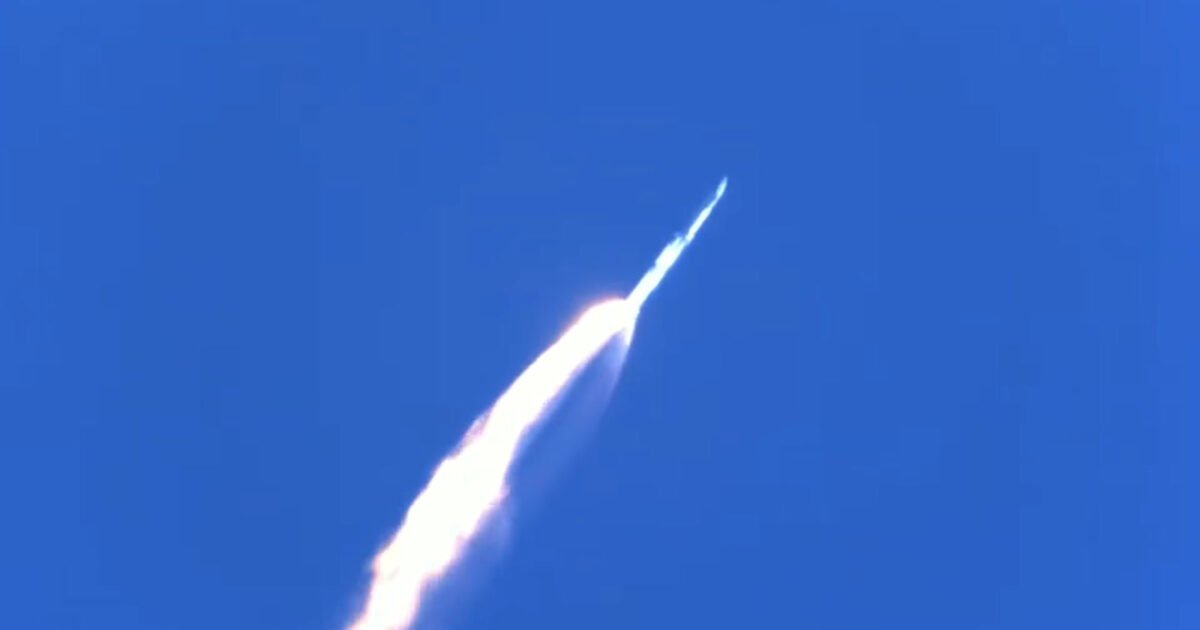
SpaceX’s Flight 13 mission page records a test that pushed the Starship system well beyond a routine launch demonstration. The vehicle lifted off on its second V3 flight, hot-staged above the Gulf and sent Ship 40 eastward on a spaceflight that ended in the Indian Ocean.
Ship 40 deployed 20 Starlink V3 test satellites along the way. They were test articles scheduled to reenter after a brief mission.
SpaceX contacted each one by radio and laser link, downloaded telemetry and tested hardware meant for future operational Starlink V3 missions.
The flight also put the heat shield through a deliberately punishing test. Some tiles were altered or removed, sensors measured loads, and six of the Starlink test vehicles carried cameras that photographed Starship during the final phase of flight.
Then came the surprise: Ship 40 completed a controlled landing burn, settled into the water and remained intact.
Associated Press reported that the full Starship and Super Heavy stack stood 407 feet tall at launch. The booster suffered engine trouble during its return and hit the Gulf hard, but the upper stage continued across the Atlantic, over southern Africa and toward its planned landing zone.
The ship flew more than 10,000 miles from Texas before hovering over the Indian Ocean and lowering itself into the water. Previous Starship tests had ended in explosions, loss of control or breakups; Flight 13 produced the cleanest reentry and splashdown the program had seen.
The AP also noted why that result reaches beyond SpaceX. NASA needs Starship to mature into a working lunar lander for Artemis, while SpaceX is trying to make both stages of the system rapidly reusable.
A ship that survives the trip home gives engineers a rare chance to compare flight telemetry with physical hardware.
Salt water and weeks of pounding seas will complicate that inspection. The photos already show missing heat-shield tiles and visible damage around the vehicle.
But that damage is part of the value. SpaceX did not design Ship 40 for a 24-day ocean voyage, and the recovery team still kept it afloat long enough to reach shelter.
If the company can get the vehicle back to Starbase, engineers will have the first recovered Starship that actually went to space. They can examine welds, tanks, flaps, tiles, engines and attachment points after launch, reentry, splashdown and prolonged exposure to the sea.
Flight 13 was already a breakthrough when Ship 40 settled into the ocean without breaking apart.
Twenty-four days later, the test is still producing data—and the world’s biggest spacecraft is still on its way home.
Join the conversation!
Please share your thoughts about this article below. We value your opinions, and would love to see you add to the discussion!