

The argument over Ukraine’s disrupted Starlink and Starshield service is no longer just about a speed limit.
Republican lawmakers now want Congress to find out who changed the system, who knew about it and whether the service has actually been restored.
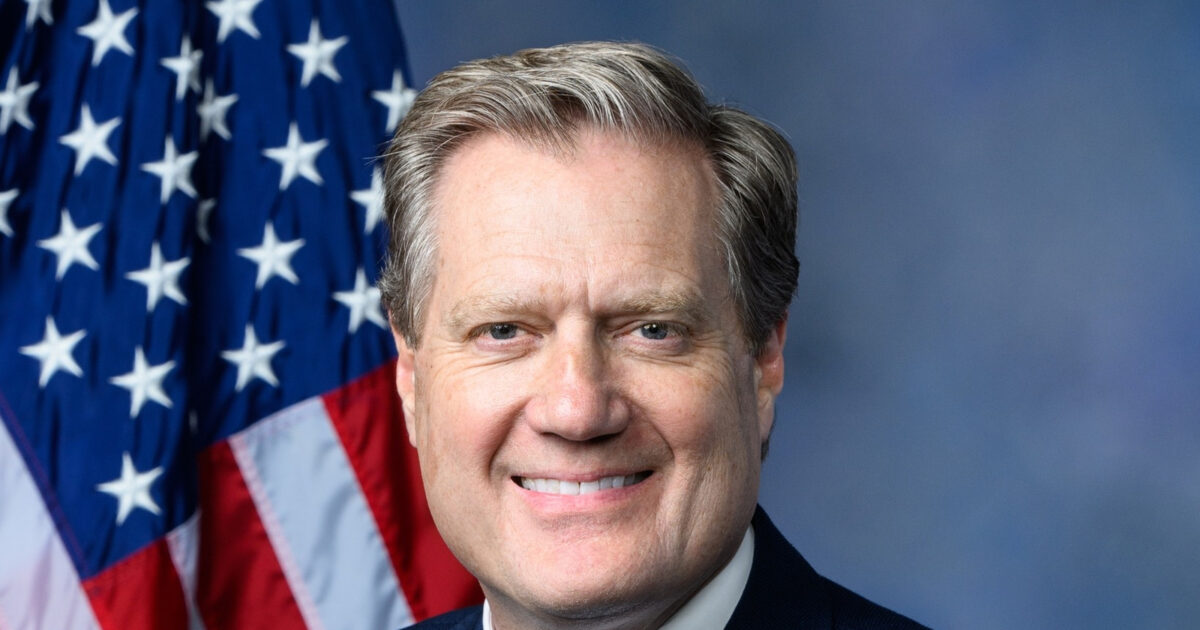
Representative Mike Turner of Ohio called for a congressional investigation Sunday, saying lives were put at risk by the communications failure.
Senator Kevin Cramer of North Dakota backed an investigation too. That gives the demand fresh Republican weight after a bipartisan group of nine senators asked the Pentagon’s inspector general to open a separate inquiry last week.
CBS News reported that Turner rejected the administration’s explanation as incomplete. Secretary of State Marco Rubio said nobody in the U.S. government ordered a slowdown and that service had been restored, but Turner pointed to Ukrainian assessments indicating that some areas still faced restrictions.
Turner said the system is essential to Ukraine’s defense against Russian attacks and warned that people can die when the connection fails. Cramer said investigators should determine whether there was a decision at all, leaving open the possibility of a technical malfunction.
The Sunday interviews sharpened the unresolved contradiction: Washington says it issued no order, while Ukraine says critical drone operations remain impaired.
Elon Musk gave his own account of the chain of command four days earlier. He separated commercial Starlink from the military Starshield system and said Starshield’s limits come from the U.S. government:
Starshield systems are owned and controlled by the US government. Any limits on speed or usage are decided by the US military and ultimately POTUS.
Starlink is a commercial service owned and controlled by SpaceX. Usage of Starlink is limited to civilian or defensive activities…
— Elon Musk (@elonmusk) October 14, 2026
Musk’s post points investigators toward the Pentagon. Technical logs, contract records and communications are still needed to determine which service changed, when it changed and who approved it.
Senate Foreign Relations Committee records show that nine senators from both parties asked the Defense Department inspector general to answer those questions. Jeanne Shaheen and Thom Tillis led the request with Dick Durbin, Susan Collins, Jack Reed, John Cornyn, Chris Coons, Lisa Murkowski and Richard Blumenthal.
The senators said restrictions between October 12 and 14 disrupted communications supporting unmanned aircraft and other Ukrainian aviation. They also raised a more direct American concern: reports that U.S. diplomatic, military and security personnel could not reach designated bunkers during Russian air raids when warning and communications systems were impaired.
The letter asks whether Defense Department officials or contractors directed, authorized or knew about the changes in advance. It also asks whether SpaceX acted independently, whether any restriction complied with government contracts and what corrective measures are protecting American personnel now.
The senators demanded preservation of communications, technical directives, contracts and correspondence involving the Pentagon, SpaceX and other agencies. They requested written confirmation of the investigation and an initial briefing by November 1.
Associated Press reported that Ukraine was talking with SpaceX and the Pentagon about lifting a roughly 160-kilometer-per-hour limit on the military satellite network. That is about 100 miles per hour—a threshold fast interceptor drones can exceed.
Ukrainian officials said the cap arrived without warning and forced some drones to fly more slowly, making them easier to target or evade. They described the problem as larger than ordinary internet access because the satellite connection supports communications, reconnaissance and defensive drone missions.
The report also made clear that a partial restoration is not the same as a technical explanation. Ukraine still wanted the limit removed and said it had not been told why the restriction appeared during active combat.
Representative Jason Crow separately released a House letter signed with Armed Services ranking member Adam Smith, Intelligence ranking member Jim Himes and Representative George Whitesides. They asked President Trump who authorized the changes, which Starlink or Starshield services were affected and what legal or contractual authority supported the move.
The House members also asked when the restrictions began, how long they lasted, whether Ukraine received advance notice and whether the system remains limited. Their demand goes directly to the gap between the administration’s public denial and Ukraine’s description of continuing operational effects.
Congress now has several possible paths: a Pentagon inspector-general investigation, committee document demands, hearings or all three.
The most useful inquiry will avoid treating every satellite terminal as the same product. Commercial Starlink and government-contracted Starshield can involve different controls, contracts and operators, even when officials use the names loosely.
Investigators will need to establish which terminals failed, their assigned service, the exact configuration change and the timeline of every authorization. Political claims made before those records are examined remain claims.
But the central question is no longer optional. A communications system tied to battlefield warnings and drone defense changed during a war, the people relying on it say they were not warned, and the government has not produced a complete public explanation.
Turner and Cramer have now joined lawmakers from both parties in demanding one.
Join the conversation!
Please share your thoughts about this article below. We value your opinions, and would love to see you add to the discussion!