
SpaceX may be preparing to add an enormous new dot to the Starship map.
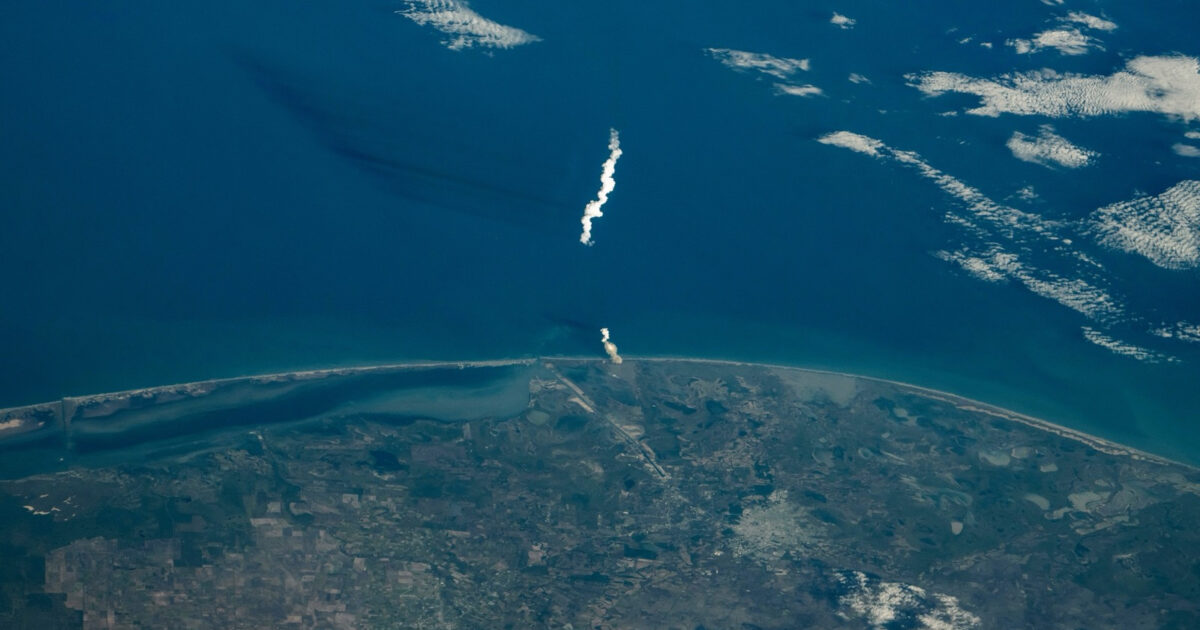
A fresh Louisiana report says the company and state officials are in the final stages of a deal for a coastal spaceport near Pecan Island in Vermilion Parish. The tract covers roughly 130,000 acres along 18 miles of Gulf Coast marshland.
If the agreement becomes official, Louisiana would gain a project built for far more than an occasional demonstration flight. The reported scale points toward long-term Starship operations with room for launch infrastructure, landing activity and a very large safety and sound buffer.
The deal has not been publicly announced by SpaceX, and the exact terms are still private. The latest reporting still moves this well beyond a loose internet rumor.
The first public breakdown shows just how much land, coastline and industrial access could be involved.
SPACEX: According to local reports, the final stages of a deal are in place for SpaceX to build the new spaceport on Pecan Island in Vermilion Parish, Louisiana, and Governor Jeff Landry is expected to make an announcement this month.
SpaceX would gain control of the land… pic.twitter.com/kaKKJHhDZ3
— S.E. Robinson, Jr. (@SERobinsonJr) August 2, 2026
NOLA.com reports that the proposed site sits about 45 miles southwest of Lafayette in a sparsely populated coastal community of roughly 100 permanent residents.
A source with firsthand knowledge told the outlet that SpaceX would receive control of the land through a sale, long-term lease or another arrangement. Governor Jeff Landry is expected to announce the agreement sometime in August.
The property is tied to a settlement resolving coastal lawsuits involving land ExxonMobil has owned in Vermilion Parish since the 1950s. Public filings show the settlement framework, but the land-transfer terms and SpaceX arrangement have not been released.
The location has several obvious advantages for a launch company. It is close to the Gulf of Mexico and the Intracoastal Waterway, has deep-water access for large equipment, and sits between SpaceX’s existing Texas and Florida operations.
Only a fraction of the 130,000 acres would reportedly hold launch hardware. The remaining land could provide the kind of distance SpaceX needs around a rocket that is both the largest ever flown and designed to return to its launch area.
The economic scale could be just as large. The local report says the facility is expected to create thousands of jobs, although SpaceX has not published a construction budget, pad count, launch schedule or opening date.
Technical.ly documented the groundwork Louisiana laid before the latest report. State Sen. Bob Hensgens confirmed active talks over more than 136,000 acres near Pecan Island and Freshwater City in June, while stopping short of naming the interested space company.
Louisiana also passed a package aimed directly at major aerospace investment. One equipment rebate requires at least 200 permanent full-time jobs and at least $1 billion in new capital spending before a company can qualify.
Other signed measures added aerospace facilities to the state’s critical-infrastructure law, protected certain technical and security records, and created a path for early dismissal of some lawsuits over spaceport operations.
That package makes Louisiana’s pitch easy to understand: bring a huge industrial project to a part of the state that wants jobs, then give the operator a clearer runway to build and fly.
One of the reporters behind the new account described a spaceport that could exceed Starbase itself in physical size.
NEW: SpaceX wants to launch rockets from a remote marsh in Louisiana's Vermilion Parish, where it plans a spaceport that could be larger than Starbase, its Texas launch site.https://t.co/esvcLQM1Jp
— Alex Lubben (@alexlubben) August 2, 2026
A land deal alone would not authorize launches.
The Federal Aviation Administration says commercial Starship operations require a permit or vehicle operator license. That review covers public safety, flights over populated areas, national-security and foreign-policy concerns, insurance and environmental impact.
The FAA’s current Boca Chica framework allows up to 25 Starship and Super Heavy orbital launches per year, along with up to 25 Starship landings and 25 Super Heavy landings. A Louisiana facility would need its own approvals before a rocket could leave the pad.
That federal process will decide what can actually fly, how often it can fly and which trajectories are safe. The state can help secure land and shape the business environment, but it cannot skip the launch license.
There are real local questions too. Pecan Island is marsh country with hunting, fishing and wildlife that residents have known for generations.
A project this large will have to prove it can build the necessary roads, waterways and launch systems without treating the coast as expendable.
SpaceX has made high flight cadence the center of the Starship program. Reaching that cadence eventually requires more than one launch site, especially when every mission involves airspace, marine traffic, ground crews, fuel systems and a giant returning vehicle.
That is why Louisiana makes sense on the map. It offers Gulf access, industrial muscle and an extraordinary amount of room in a region already comfortable with large energy projects.
The next milestone is the announcement Landry is reportedly preparing for this month. If SpaceX’s name and the 130,000-acre tract appear in that deal, Pecan Island will go from a long-running rumor to one of the most important new pieces of Starship infrastructure in America.
Join the conversation!
Please share your thoughts about this article below. We value your opinions, and would love to see you add to the discussion!