
SpaceX is reportedly preparing to borrow $40 billion for one purpose: buying a staggering amount of Nvidia computing power.
The proposed package would pair roughly $30 billion in investment-grade debt with another $10 billion in bank loans. Apollo Global Management is expected to lead the effort.
The talks have not produced a completed transaction. The reported size still shows how aggressively Elon Musk is trying to turn SpaceX into an AI infrastructure giant alongside its rocket and Starlink businesses.
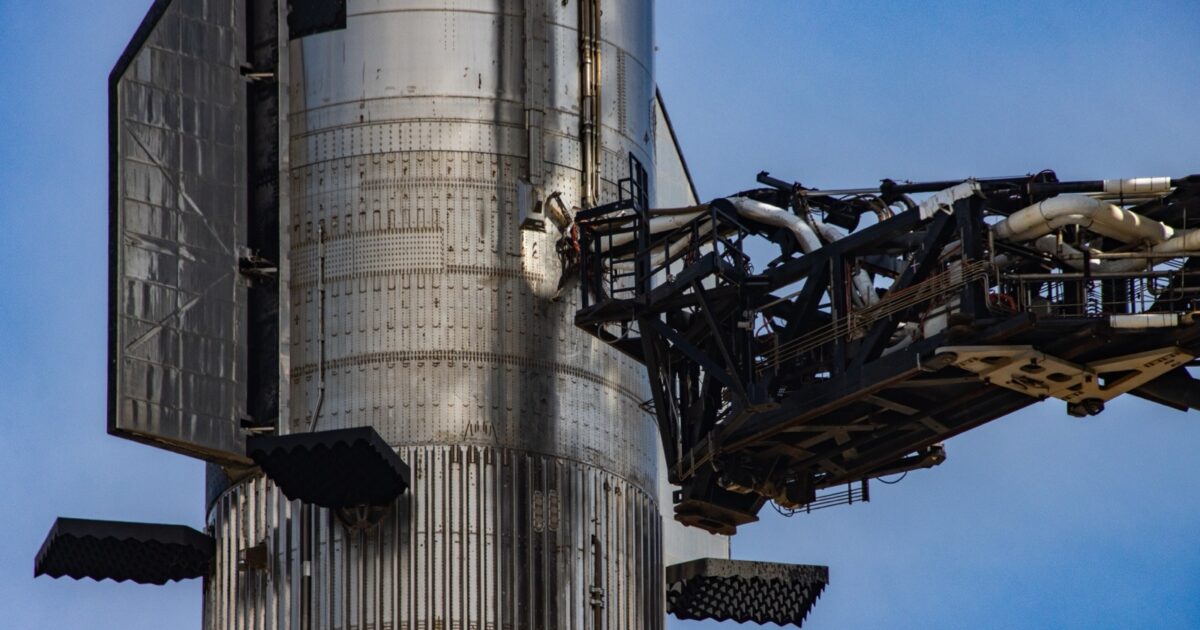
The ambition is already visible in orbit. SpaceX’s first operational Starship payload put 26 larger Starlink V3 satellites into orbit last month.
Starship's first orbital flight delivered 26 Starlink V3 satellites to space pic.twitter.com/zTcsMqS9lm
— SpaceX (@SpaceX) October 2, 2026
The video is a useful reminder that SpaceX’s compute strategy is tied to physical infrastructure. The company needs chips on the ground now, and it wants Starship to carry far larger communications and computing systems later.
Axios reported Wednesday that the $40 billion package is meant to fund Nvidia chip purchases, with Apollo leading the process. Around $30 billion would reportedly be sold as investment-grade debt, while banks would supply the remaining $10 billion.
SpaceX’s BBB credit rating gives the company access to insurers, pension funds and other buyers that cannot freely load up on junk debt. That opens a much deeper pool of capital than a speculative-grade borrower could reach.
The talks remain early-stage, according to reporting cited by Axios. Terms can move, lenders can demand more protection, and the entire package could be resized or abandoned before any money changes hands.
SpaceX shares entered Wednesday up nearly 16 percent over the previous week, closing Tuesday at $171.92. At the same time, the price of insuring the company’s debt against default reached a record high, a sign that investors see both enormous upside and real financing risk.
SpaceX’s second-quarter Form 10-Q puts the new report in sharper perspective. The company already carried $38.433 billion in aggregate principal debt and finance leases at June 30, including $25 billion in senior notes issued during the quarter.
Those senior notes had an effective interest rate of 6.03 percent at quarter-end. SpaceX said it had no variable-rate debt outstanding and remained in compliance with its credit covenants after refinancing obligations tied to the xAI acquisition.
If the full new package closes, the company would be adding debt roughly equal to its existing principal balance. That is a serious commitment even for a company with SpaceX’s cash position and market access.
The revenue side of the bet is already taking shape.
SpaceX’s Google compute filing says Google agreed to pay $920 million per month from October 2026 through June 2029 for access to capacity that includes about 110,000 Nvidia GPUs, plus CPUs, memory and related components.
The agreement includes delivery requirements and termination rights. If SpaceX missed the September 30 delivery milestone after a one-month grace period, Google could terminate or accept reduced capacity with a proportional cut in payments.
Either side can also end the agreement after December 31 with 90 days’ notice. SpaceX has to install, connect and keep an enormous amount of expensive hardware productive.
The contract helps explain why borrowing for chips can make economic sense. SpaceX is building clusters that can serve major outside customers while supporting Grok, Starship work and network operations.
SpaceX’s second-quarter results reported $7.8 billion in revenue, up 92 percent from a year earlier, and $3.5 billion in adjusted EBITDA. The company also reported $100 billion in cash, cash equivalents and marketable securities, along with $47.5 billion in backlog.
SpaceX recorded a $541 million net loss, an improvement of $467 million from the year-earlier quarter. Management credited new cloud-service agreements for stronger AI margins and reported $14.1 billion in contracted sales from those agreements.
Starlink subscriber growth and more than $6 billion in new multi-year Starshield contracts strengthened the other side of the business. SpaceX is trying to use launch, connectivity, government work and AI compute to support one capital-heavy system.
Those figures give SpaceX breathing room while revealing the scale of what Musk is attempting. A $40 billion chip package would equal more than five times one quarter of company revenue.
Reuters Breakingviews argued that heavily utilized Nvidia systems could repay their purchase cost quickly. The danger is that AI compute prices fall, competitors add capacity, or newer chips make today’s hardware less valuable before the debt is gone.
That tension sits at the center of the deal. SpaceX has customers willing to pay extraordinary sums for compute, but it is financing machines that age faster than rockets, satellites or factories.
Musk has made this kind of bet before: spend at a scale that looks reckless, build faster than rivals, then use the resulting capacity to pull demand forward.
The difference this time is the price tag. If the reported package closes near $40 billion, SpaceX will be making one of the largest financed chip purchases the AI boom has produced.
Then the real work starts. The company has to turn all that silicon, power, cooling and networking into enough reliable compute revenue to make the debt look smart.
Join the conversation!
Please share your thoughts about this article below. We value your opinions, and would love to see you add to the discussion!