

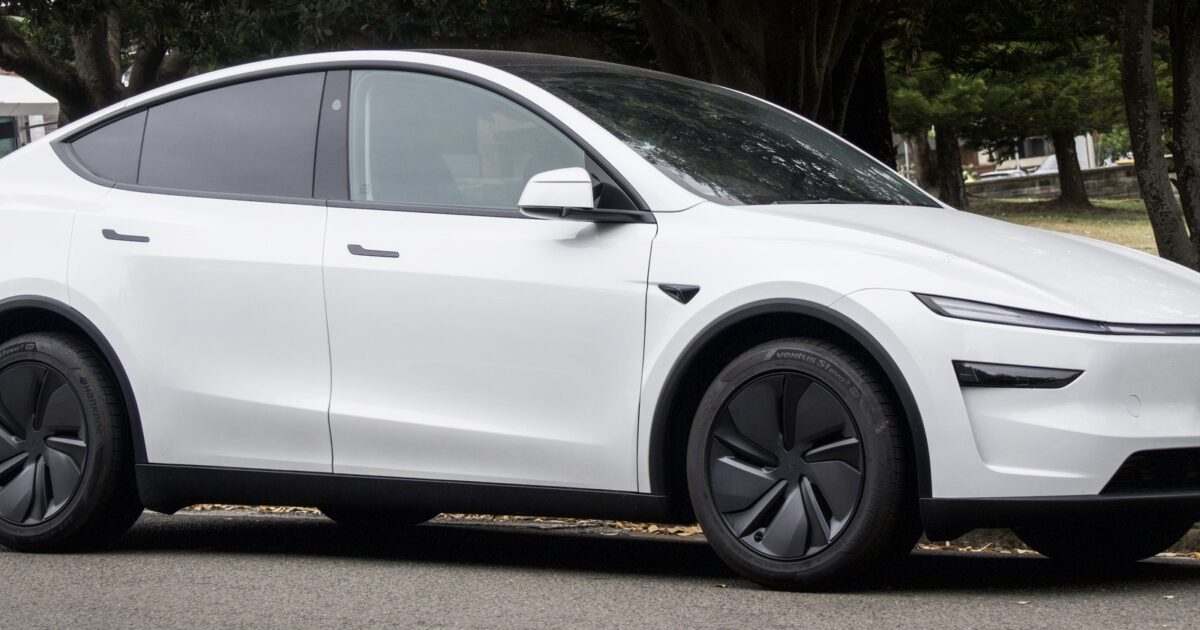
Tesla delivered 486,532 vehicles in the third quarter, beating its own company-compiled Wall Street consensus by 24,558.
The company built 464,391 vehicles during the same three months. That means deliveries outpaced production by 22,141 vehicles, a gap that points to Tesla moving cars out of inventory instead of stuffing more into it.
For a quarter carrying plenty of doubt into Friday morning, that is a much stronger operating result than the market expected.
Tesla published the headline numbers Friday and set its full Q3 earnings update for October 21:
Q3 2026
Production: 464,391
Deliveries: 486,532
Energy storage deployments: 13.7 GWhOur Q3 Company Update will be streamed live on X on October 21 at 4:30pm CThttps://t.co/sXBSeLiJIj
— Tesla (@Tesla) October 2, 2026
Tesla Investor Relations breaks the quarter into two buckets. Model 3 and Model Y accounted for 457,387 vehicles produced and 478,237 delivered.
The Other Models line contributed 7,004 produced and 8,295 delivered. Tesla said 1 percent of total deliveries were subject to operating-lease accounting, including 4 percent of the smaller Other Models group.
That leaves Tesla’s two mass-market vehicles carrying 98.3 percent of total deliveries. It also means both groups delivered more vehicles than they produced during the quarter, with the biggest drawdown coming from Model 3 and Model Y.
Tesla added an important caution: delivery and storage figures are only two measures of the business. They do not tell investors what happened to prices, costs, margins, net income or cash flow.
The company will supply those answers after the market closes October 21, then take questions on a webcast at 4:30 p.m. Central.
Tesla’s company-compiled analyst consensus shows just how far the vehicle result cleared expectations. The average of 24 sell-side estimates was 461,974 deliveries, while the median was 463,406.
The official total beat the average by 24,558 vehicles, or about 5.3 percent. It also came in above every individual estimate in Tesla’s published table, whose top end was 482,000.
The same table expected 15.9 GWh of energy-storage deployments. Tesla reported 13.7 GWh, so the quarter produced a clear vehicle beat and a clear storage miss at the same time.
Tesla published the consensus three days before the result and made clear that the figures were analyst estimates, not company guidance or an endorsement of any analyst conclusion.
The comparison making the rounds Friday put those two sides of the report in one frame:
Tesla delivered 486,532 vehicles in Q3, -2% YoY, beating Wall Street expectations of 462,000. Total Q3 production was 464,391.
Tesla also says that they deployed 13.7 GWh of battery energy storage in Q3 2026. pic.twitter.com/lwC2QmNCux
— Sawyer Merritt (@SawyerMerritt) October 2, 2026
Electrek puts the quarter in the longer sequence. Deliveries rose 1.3 percent from Q2’s 480,126 but remained 2.1 percent below the 497,099 record set in Q3 2025, when U.S. buyers were racing the expiration of the $7,500 federal EV tax credit.
The more revealing comparison may be production. Tesla delivered roughly 29,000 more cars than it built in Q2 and another 22,141 more than it built in Q3.
After producing about 50,000 more vehicles than it delivered in the first quarter, the company has now worked through that imbalance across two quarters.
Through the first nine months of 2026, Tesla has delivered 1,324,681 vehicles. That is 8.8 percent ahead of the comparable 2025 period, even though Friday’s quarter did not quite catch last year’s one-quarter record.
Not a Tesla App shows the model mix moving in two different directions. Model 3/Y deliveries increased 2.2 percent from Q2, while Other Models dropped 32.9 percent from 12,364 to 8,295.
That smaller bucket is harder to read than it once was. Tesla does not break Cybertruck, Semi and remaining Model S or Model X activity into separate public delivery lines, so the table cannot tell us which product caused the decline.
Storage improved even while missing expectations. The 13.7 GWh deployed was up from 13.5 GWh in Q2 and 12.5 GWh a year earlier, leaving it just below the 14.2 GWh company record set in Q4 2025.
Now the harder questions move to October 21.
Tesla will need to show whether the delivery beat came with healthy pricing and margins, how much cash the inventory reduction released, and whether the energy business simply had a lumpy deployment quarter or lost momentum against a very high bar.
Friday’s report does not answer those questions. It does answer one of the biggest doubts hanging over the quarter: Tesla found customers for 486,532 vehicles, cleared the published consensus by more than 24,000 and ended Q3 with deliveries running well ahead of factory output.
Join the conversation!
Please share your thoughts about this article below. We value your opinions, and would love to see you add to the discussion!