
Tesla and SpaceX are taking the fight over the name of their giant Terafab chip project to federal court.
The companies are not waiting to be sued. They want a judge to declare that their use of “Terafab” does not infringe the TERA-FAB trademark held by a small Illinois nanotechnology company called TERA-print.
That makes this a preemptive legal move over the identity of one of Elon Musk’s most ambitious manufacturing projects.
Justia Dockets records federal case 1:26-cv-02543, filed September 15 in the Western District of Texas and assigned to the court’s Austin Division.
Tesla, Space Exploration Technologies and SpaceXAI filed it September 15 in the U.S. District Court for the Western District of Texas.
The docket identifies the dispute as a trademark case seeking declaratory judgment. It also shows a summons request, corporate disclosure statements and notice that the required trademark form was forwarded to the U.S. Patent and Trademark Office.
Those entries establish that the case is active and that the plaintiffs have begun the service process. They do not show a response from TERA-print, a scheduled hearing or any decision about who owns the stronger rights.
The docket also identifies TERA-print as the sole defendant and attorney Travis Wimberly as counsel for the three plaintiffs. A request for summons appears alongside the complaint, showing that the companies moved immediately to begin the formal response process.
The complaint includes three exhibits and a civil cover sheet. The underlying filing is where Tesla and SpaceX lay out their version of the trademark history, but every disputed claim still has to survive TERA-print’s answer and the court’s review.
The public entry classifies the cause of action under the federal Declaratory Judgment Act and says the plaintiffs demanded a jury. It also shows that an official notice of the trademark dispute was sent to the director of the Patent and Trademark Office.
No hearing, response deadline or merits decision appears in the docket summary yet. The case is at the starting line, with Tesla and SpaceX asking the court to resolve the threat of an infringement suit before that separate suit is filed.
The collision starts with two very different uses of nearly the same name.
TERA-print describes itself as a nanofabrication company built around beam pen lithography. Its commercial TERA-Fab equipment is a desktop research tool that can pattern materials at nano and microscale resolution for work involving electronics, sensors, microfluidics and bioengineering.
The company says its system can control tens of thousands of probes in parallel and change feature sizes from below 250 nanometers to more than 100 micrometers. In plain English, TERA-Fab is the name of a specialized laboratory machine, not a giant semiconductor campus.
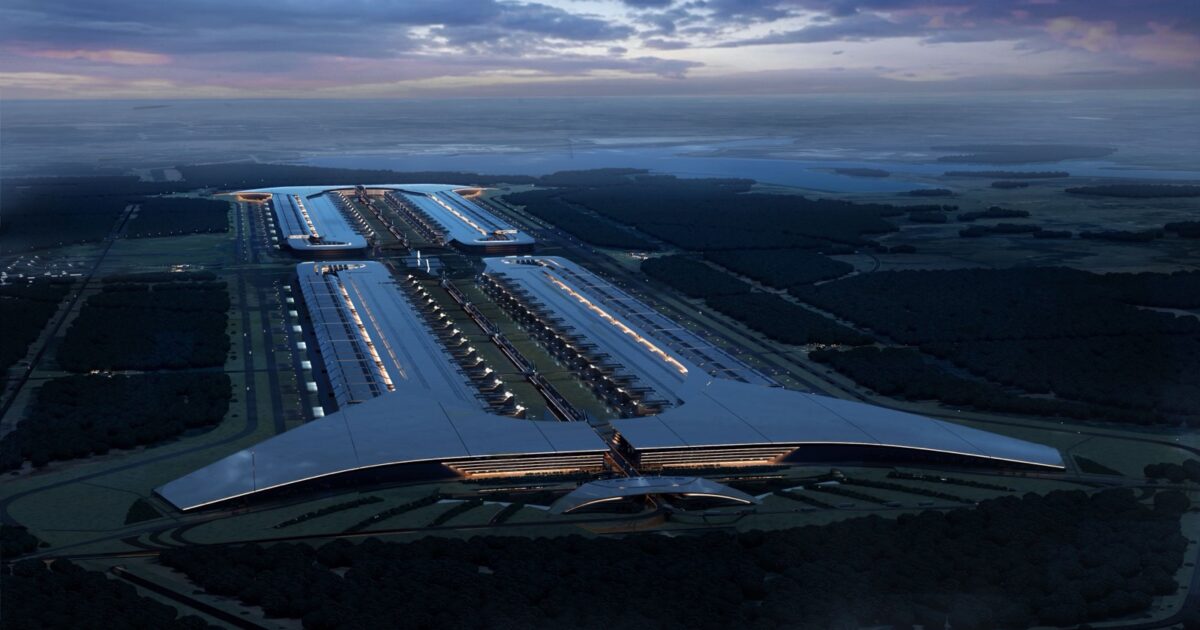
Tesla and SpaceX use Terafab for something vastly larger: the planned Texas operation intended to manufacture advanced chips and related hardware at extraordinary scale.
The Grimes County plan ties the proposed fab directly to the chip demand expected from both Tesla and SpaceX.
Terafab will be built in Grimes County, Texas
In April, we broke ground on our research fab on the North Campus of Giga Texas – the precursor to Terafab.
Both Tesla & SpaceX will need far more chips than current & future global production can supply.
This is why we're building… pic.twitter.com/je4jKXuQrY
— Tesla (@Tesla) August 6, 2026
The court fight is about whether those two uses can coexist without creating the kind of confusion trademark law is designed to prevent.
KBTX reports that TERA-print owns U.S. Trademark Registration No. 6,295,482 for TERA-FAB. The registration was issued in March 2021 and covers the company’s specialized equipment for microscopic patterning and research.
According to the complaint, Tesla publicly announced its Terafab project on March 21. Tesla later filed applications for TERAFAB, TESLA TERAFAB and a related logo covering semiconductor chips, manufacturing services and connected technology.
KBTX says the complaint places the dispute’s first direct clash in late May. TERA-print allegedly sent Tesla and SpaceX a cease-and-desist letter on May 23, claiming their use was likely to cause confusion and demanding that they stop using the name.
By June 10, the filing says, TERA-print was threatening claims that included federal trademark infringement, false designation of origin and unfair competition.
Tesla and SpaceX point to the timing of another filing. Their complaint says TERA-print submitted a new trademark application on May 22, one day before the cease-and-desist letter, seeking coverage that included semiconductor materials, silicon chips, nanoelectronic devices and artificial-intelligence design services.
The Musk companies call that move “opportunistic” and argue that TERA-print tried to broaden its rights after the much larger Terafab project became public.
That is Tesla and SpaceX’s allegation. A judge has not adopted it, and the filing of a complaint does not establish that TERA-print did anything unlawful.
The parties apparently tried to avoid court. KBTX reports that the complaint describes six meetings between June and August aimed at resolving the conflict informally.
Those talks failed. Tesla, SpaceX and SpaceXAI are now asking the court to declare that their Terafab name does not infringe or otherwise violate the rights claimed by TERA-print.
The case is not about whether Terafab can be built. It is about whether the project can keep the name under which it has already been announced and promoted.
Tesla and SpaceX have already made Terafab part of the public story around their future chip supply. A court-ordered name change would leave the physical project intact while forcing both companies to replace a brand they have already used in announcements, filings and public presentations.
The two sides are also not competing in an obvious like-for-like market today. One sells desktop nanofabrication tools to researchers.
The other plans an industrial semiconductor complex meant to serve Tesla and SpaceX at massive scale.
Trademark disputes can still turn on more than company size or the physical dimensions of the products. The wording of each registration, the markets covered, the timing of applications and the possibility of customer confusion will all matter.
For now, Terafab keeps its name. The federal court has only opened the case, and the first real answers will come from TERA-print’s response and the judge assigned to decide whether these two very different fabs can legally share almost the same identity.
Join the conversation!
Please share your thoughts about this article below. We value your opinions, and would love to see you add to the discussion!