
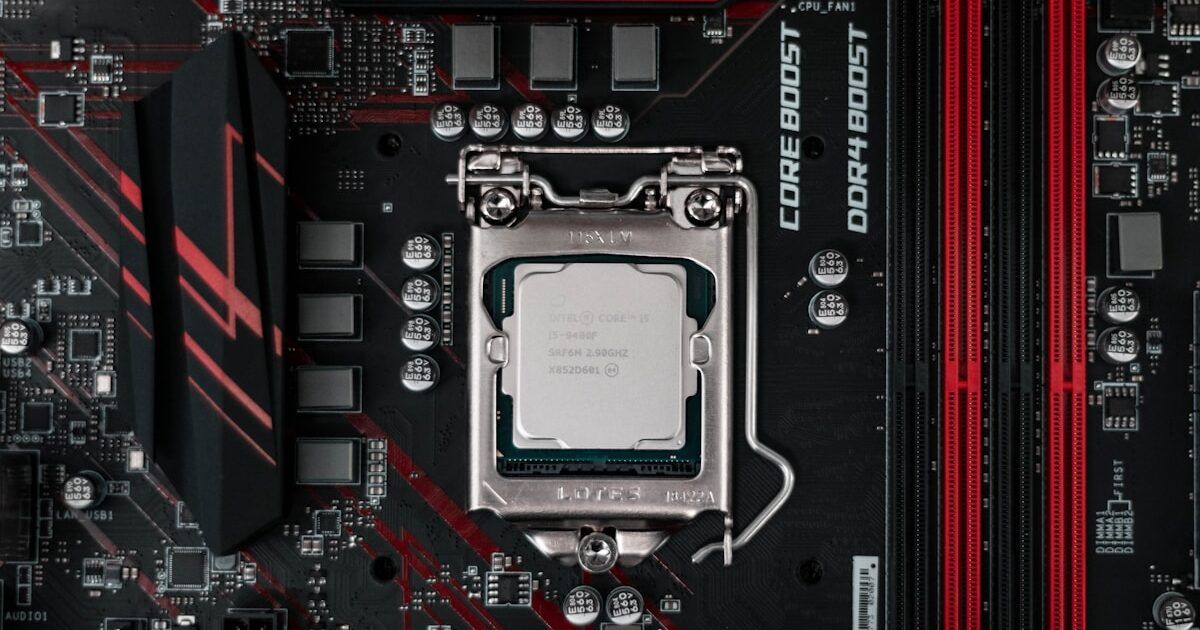
The Tesla AI5 chip is officially coming in late 2026, and it could be a game-changer for Full Self-Driving and robotaxi performance. Elon Musk confirmed the timeline during a recent call, noting that a small number of units will ship in the second half of 2026, with high-volume production ramping in 2027.
What Makes the Tesla AI5 Chip Different
Tesla current HW4 computers are already impressive, but AI5 represents a generational leap. Early reports suggest the chip will rival NVIDIA $30,000 inference chips in raw performance — at a fraction of the cost since Tesla designs and manufactures in-house.
Cybertruck is the best vehicle Tesla has ever made so far https://t.co/Od0aNAKEaT
— Elon Musk (@elonmusk) January 16, 2026
The AI5 is specifically optimized for Tesla neural network architecture, which means faster processing of camera data, better edge-case handling, and smoother FSD performance overall.
Why AI5 Matters for Robotaxi Ambitions
Here is the interesting part: Tesla is not waiting for AI5 to launch robotaxis. The Cybercabs rolling off the production line now ship with AI4 hardware. Tesla maintains that AI4 is fully capable of unsupervised autonomy, but AI5 will provide significant headroom for future software improvements.
First Cybercab off the production line at Giga Texas pic.twitter.com/kY8vCqtrCA
— Tesla (@Tesla) February 17, 2026
For robotaxi operators, better hardware means:
- Faster decision-making in complex traffic
- Improved performance in adverse weather
- More sophisticated behavior prediction
The HW4 Bridge: Hardware 4.5 Spotted
With AI5 still months away, Tesla may have a backup plan. Recent sightings of Hardware 4.5 suggest a 3-chip upgrade path for current vehicles, bridging the gap until AI5 arrives. This would give Tesla more computing headroom without waiting for the next-gen chip.
Key Takeaways
- Tesla AI5 chip production begins late 2026, volume in 2027
- Performance rivals NVIDIA $30K inference chips
- Optimized specifically for Tesla FSD neural networks
- Cybercab launches with AI4; AI5 provides future headroom
- Hardware 4.5 may bridge the gap in the meantime
Tesla vertical integration strategy continues to pay dividends. While competitors buy off-the-shelf components, Tesla designs custom silicon tailored to their exact needs. The AI5 chip is the next step in that journey — and it could cement their lead in autonomous driving.
Join the conversation!
Please share your thoughts about this article below. We value your opinions, and would love to see you add to the discussion!