
Tesla just solved a neighborhood noise complaint with a software update.
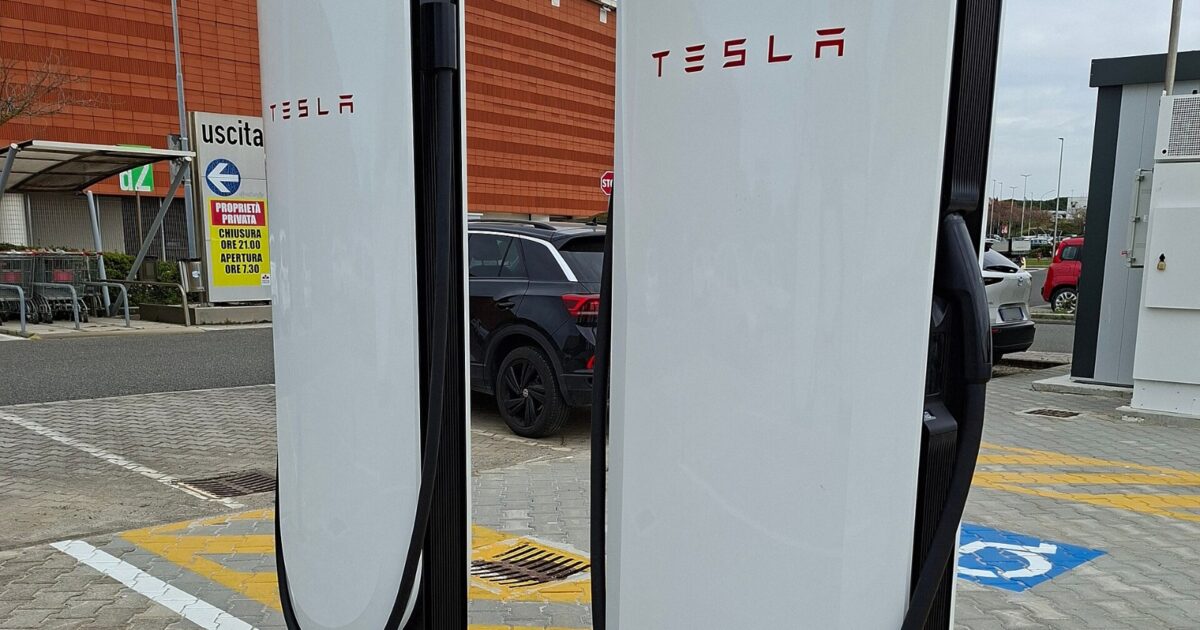
At a San Francisco Supercharger, drivers now see a location-specific Quiet Charging Zone message when their media volume runs high near nearby homes.
The screen asks the driver to be mindful and offers a one-tap Lower button. Physical signs at the station back up the same request.
That is the whole fix. No dealership visit, no recall campaign, no awkward confrontation in the parking lot.
Another beautiful example of Tesla’s vertical integration. Neighbors were complaining about noise and commotion at this new Supercharger in San Francisco.
So Tesla pushed a software update that asks people to turn their volume down, with a button to do it in 1 tap. Smart.
pic.twitter.com/8esuliuzwr
— Whole Mars Catalog (@wholemars) May 20, 2026
The reason this lands as such a Tesla story is the vertical integration. Tesla knows the car is at that exact site, controls the vehicle software, and runs the charging network all at once.
So when neighbors flag a problem at one location, Tesla can push a targeted change to cars parked there and leave every other Supercharger alone.
The fresh context from Teslarati adds the key production details:
The Quiet Charging Zone feature is a small software message with a bigger Tesla point behind it. Teslarati describes a location-specific message that appears at a San Francisco Supercharger when a vehicle’s media volume is too high near neighbors.
The touchscreen asks the driver to be mindful and offers a prominent one-tap Lower button, while physical signs at the station reinforce the same request.
The reason this is such a Tesla story is the vertical integration. Tesla knows the car’s location, controls the vehicle software, operates the charging network, and can push a targeted change without a dealership visit or traditional recall campaign.
The result is a community-friction fix that feels almost invisible to the driver. As Superchargers become denser and more urban, this kind of site-aware behavior could matter more than it first appears, especially at busy locations shared by Tesla owners and other EV drivers.
The feature also hints at how Tesla can keep improving charging sites without rebuilding the whole station. A software message will not solve every neighborhood concern alone.
It can it can nudge driver behavior at exactly the place and moment where the problem occurs. That makes the fix lightweight, targeted, and easy to expand if it works.
Most automakers could not even attempt this. They do not own the charging site, they do not control the car’s audio in real time, and they cannot tie a behavior request to a single address.
Tesla can do all three. That is the advantage no legacy brand has matched.
It also keeps Superchargers welcome in neighborhoods that might otherwise push back. A station that respects its neighbors is a station that gets to stay and grow.
As the network gets denser and more urban, this kind of site-aware behavior could matter more than it first looks, especially at busy locations shared by Tesla owners and other EV drivers.
A noise problem became a quiet software message with a button. That is what happens when one company owns the whole stack and actually uses it.
Join the conversation!
Please share your thoughts about this article below. We value your opinions, and would love to see you add to the discussion!