
SpaceX just signed another huge compute lease, and the money is coming from AI chips instead of launch contracts.
On June 22, 2026, Nvidia-backed open-source AI startup Reflection agreed to pay SpaceXAI $150 million per month for access to chips and hardware at Colossus 2, SpaceXAI’s data center buildout in Southaven, Tennessee.
The deal gives Reflection immediate access to Nvidia GB300s plus related hardware. If it runs the full term through 2029, the payments add up to roughly $6.3 billion.
It is the third massive Colossus compute agreement SpaceX has confirmed, following previously reported deals tied to Anthropic and Google.
🚨 SpaceXAI has agreed to a new compute deal with Reflection AI.
Reflection gets access to NIVIDIA GB300s, and will pay $150M per month to SpaceXAI for the compute. pic.twitter.com/bNPare8U5u
— TESLARATI (@Teslarati) June 22, 2026
The thing worth sitting with here is what SpaceX is actually building. This is the same company that turned reusable rockets and Starlink into businesses, and now it is stacking high-density AI infrastructure on top of that execution culture.
Power, networking, cooling, and hardware deployment at unusual speed. That is the SpaceX playbook, and it maps almost perfectly onto what the AI compute market is screaming for right now.
Axios reported the core structure of the agreement: Reflection gets immediate hardware access at Colossus 2, with the $150 million monthly cost kicking in July 1, 2026 and running through 2029 after the ramp period.
Axios framed the move in the open-source AI context, where model builders can have serious talent and investors but still run into the same brutal bottleneck: enough advanced chips, power, cooling, and networking to train at frontier scale.
That is why the provider matters. A startup can raise money and hire researchers, but if it cannot get reliable access to GB300-class compute quickly, the product roadmap slows down before the model work even gets interesting.
The open-source angle matters too. Reflection is building in public model cycles, which means every serious training run and inference push can become another demand test for anyone selling premium compute.
Investing.com, carrying the Reuters report, confirmed that Reflection itself said the deal gives it additional compute capacity at Colossus 2, including immediate GB300 access starting July 1.
That confirmation matters because it anchors the story to the customer side, far beyond the SpaceX side. Reflection says this agreement gives it more capacity inside SpaceX’s Colossus 2 buildout, which is the customer-side confirmation this story needs.
The report also flagged the caveat that keeps this honest. The agreement carries a 90-day termination right after the first three months, so the roughly $6.3 billion headline number is a full-term ceiling rather than guaranteed revenue.
If both sides keep the arrangement running, SpaceXAI has a huge new customer. If they do not, the early months still show the market something important: elite AI startups are willing to treat SpaceX as a serious compute landlord.
Teslarati added the SpaceX-reader context: the company confirmed the Reflection agreement, located Colossus 2 in Southaven, Tennessee, and described it as the third major compute deal tied to the site.
That matters because Teslarati gives the dollar figure real company context. Its report puts Reflection beside the previously reported Google and Anthropic compute arrangements, which changes the shape of the story from one flashy lease into a pattern.
For SpaceX fans, that is the useful bridge. The launch and Starlink story now has a serious AI infrastructure layer beside it, and Colossus 2 is being framed as a facility that can serve more than one heavyweight customer.
SpaceXAI is positioning itself as a commercial compute provider for some of the largest AI customers on the planet. When a single buildout keeps drawing names like Google, Anthropic, and Reflection, that starts to look like a real line of business rather than a side quest.
SpaceX has signed a new compute lease deal with open-source AI startup Reflection that will pay @SpaceX $150 million per month. The payments would total about $6.3 billion if the agreement runs through the end of its term (2029).
Reflection said the agreement gives it additional…
— Sawyer Merritt (@SawyerMerritt) June 22, 2026
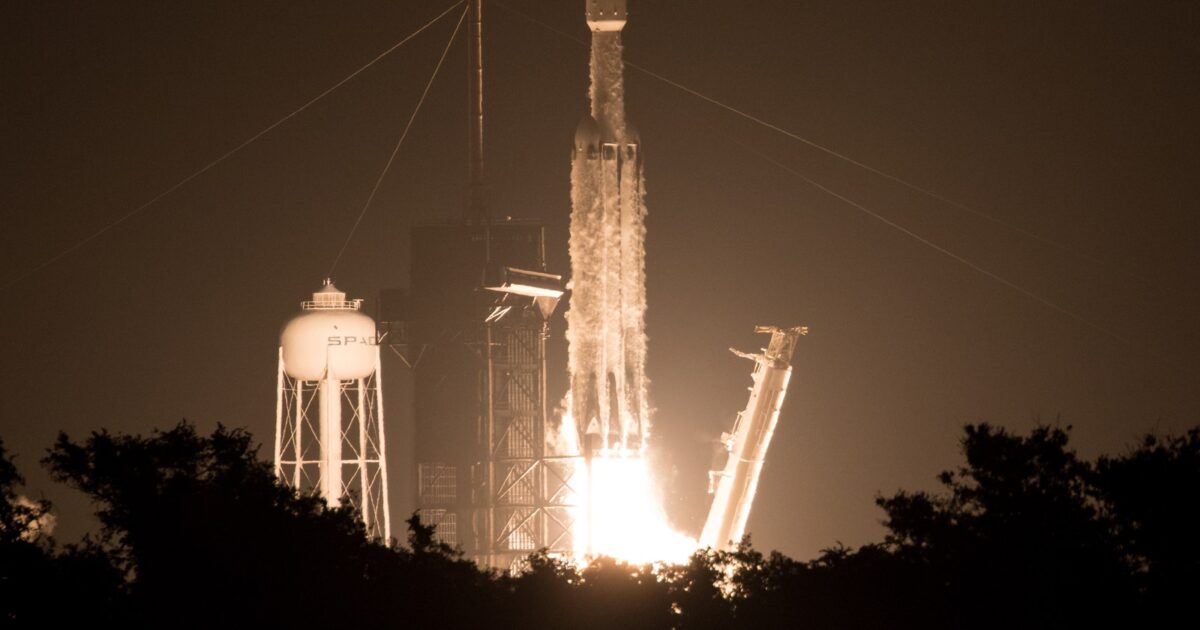
None of this is glamorous the way a Falcon Heavy night launch is. But it is the same instinct: find a hard physical problem most companies cannot execute, then out-build everyone on cadence and density.
SpaceX did it with rockets and broadband. Watching it do the same thing with AI compute is going to be one of the more interesting business stories of the next few years.
Join the conversation!
Please share your thoughts about this article below. We value your opinions, and would love to see you add to the discussion!