
Tesla just gave a lot of older cars something to be excited about.
On June 29, 2026, Tesla began rolling out FSD (Supervised) v14 Lite to vehicles running on AI3, also known as HW3.
This is the build that takes everything the newer AI4 v14 series learned and brings it down to the older camera and compute setup.
Ashok Elluswamy, who leads Tesla’s AI efforts, confirmed the news directly.
FSD v14 Lite is now rolling out to AI3 early-access customers. Based on the feedback, will rollout to more customers over the next few weeks.
This build distills the driving behavior from AI4’s v14 series into both the camera and compute config of AI3. It includes destination…
— Ashok Elluswamy (@aelluswamy) June 29, 2026
The starting point is early access. Ashok said more customers should get it over the next few weeks based on the feedback that comes in.
So if you own an HW3 Model 3 or Model Y and do not have it yet, the rollout window finally looks real.
The technical idea here is straightforward. Ashok said the build distills the driving behavior from the AI4 v14 series into both the camera and compute config of AI3.
In plain terms, the older hardware is learning from the smarter newer hardware instead of being left behind.
Basenor updated its coverage on June 29 to say Tesla had begun actively rolling out FSD v14 Lite to AI3 and HW3 vehicles through software update 2026.20.5.1.
The report ties the rollout to the end-of-June window Tesla AI leadership had been discussing, then adds the important owner-facing caveat: this is early-access first, not an instant fleet-wide push.
Basenor also notes that Elon Musk confirmed the rollout on X and praised the Tesla AI team for making the older computer work inside a tighter hardware envelope.
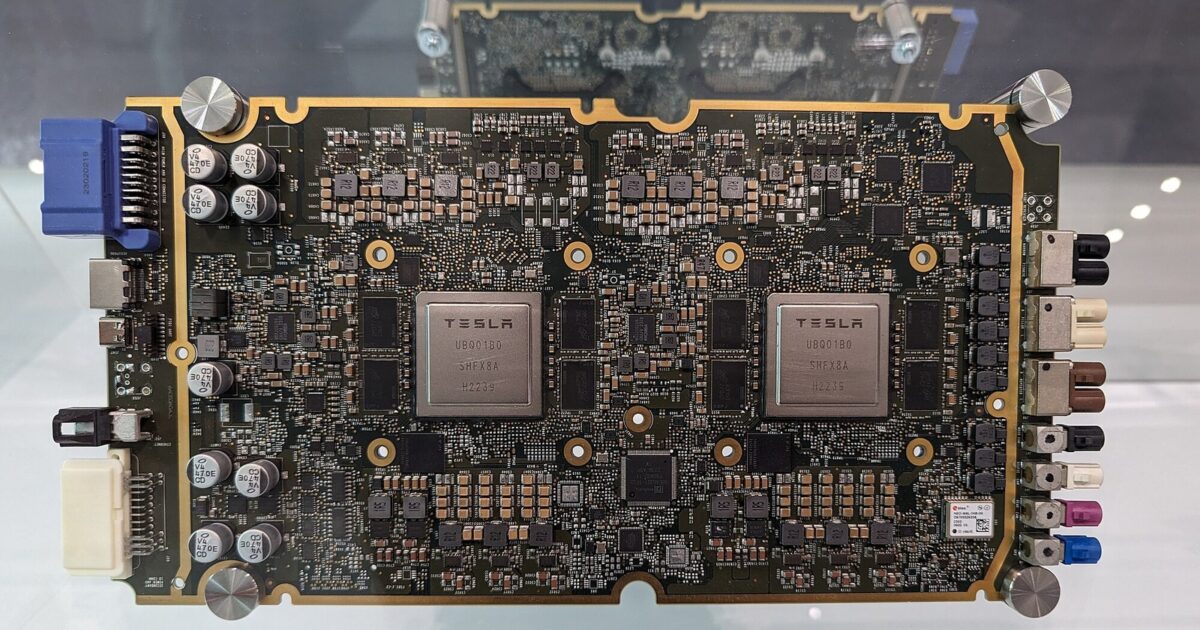
That hardware context matters. Musk said AI3 has roughly 15 percent of the effective memory bandwidth of AI4, which makes the v14 Lite approach less like a simple version bump and more like a serious compression job.
The article also collects early owner chatter around the first hands-on impressions, including reports that the build feels like a meaningful upgrade from the older FSD 12 branch while still being more cautious than the AI4 version.
That is the right expectation for HW3 owners: a real new FSD generation is landing on older cars, but Tesla is still using feedback from the first wave before pushing it wider.
The release tracker confirmation came through fast.
FULL SELF-DRIVING V14 LITE HAS ARRIVED. https://t.co/BYvUuMvCQH
— Teslascope (@teslascope) June 29, 2026
For the actual contents of the update, the release notes tell the real story.
Not A Tesla App lists software update 2026.20.5.1 as released June 29, 2026, carrying FSD version 14 and FSD (Supervised) v14 Lite for Model 3 and Model Y vehicles on HW3.
The release notes describe the core idea as distilling HW4 v14 intelligence into HW3, so the older system can learn how to handle driving scenarios using the newer hardware path as a guide.
The notes say that distillation brings reinforcement learning and offline-model improvements to HW3, along with better proactive and reactive responsiveness for navigation handling, merges, forks, pedestrian interactions, traffic lights, and vehicle cut-ins.
The comfort changes are the kind owners will actually feel: fewer false slowdowns, smoother steering, and more consistent lane centering in ordinary driving.
The same update adds parking, unparking, and reversing capabilities for HW3, plus arrival options that let the driver choose parking lot, street, driveway, parking garage, or curbside behavior for the destination.
Speed profiles also become available at all times, and Tesla adds center-display controls for both speed profile and arrival options right inside the Autopilot visualization.
There is also a Start Self-Driving from Park button when driver requirements are met. The notes specifically point to the driver being seated, buckled, and clear through the cabin camera before the feature can engage.
One thing stays the same, and it should. The release language is clear that FSD (Supervised) does not make the vehicle autonomous and the driver must remain attentive and ready to take over at any time.
This is supervised driving, not a robotaxi, and not hands-off operation for HW3.
What makes this exciting is the message it sends to longtime owners. Cars that some assumed were aging out are getting a real taste of the newest neural net work.
Early access first, more customers over the next few weeks, and a clear sign that Tesla is not done improving the hardware already sitting in owner driveways.
Join the conversation!
Please share your thoughts about this article below. We value your opinions, and would love to see you add to the discussion!