
Tesla is building the side of a Robotaxi network most people will never see.
Driverless cars still come back with dirt on the seats, trash in the cabin, low batteries and hardware that needs to be checked before the next ride.
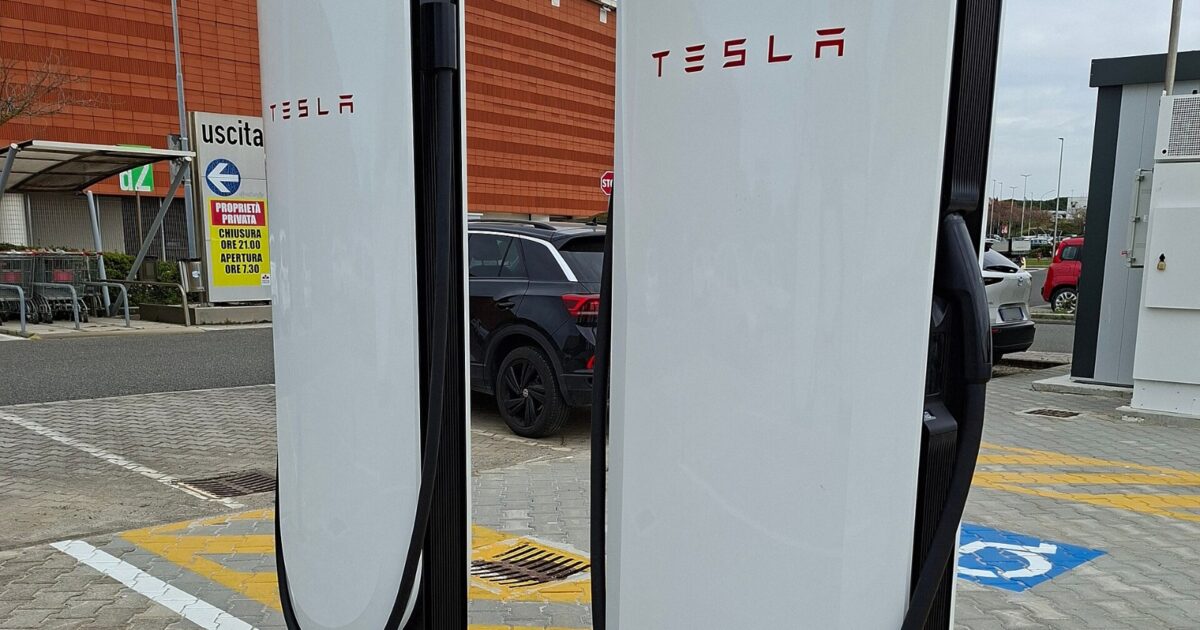
At Tesla’s Austin Robotaxi hub, a state project record now lists the equipment meant to handle that work: Superchargers, an inspection system and a cleaning robot.
The hardware list puts the hub’s operating plan in plain view.
Tesla Robotaxi Cleaning Robot update:
— Spencer (@scotsrule08) July 11, 2026
The Robotaxi Hub in Austin now has a cleaning robot built into the facility.
Permit TABS2025022006 explicitly lists a cleaning robot in the scope of work alongside Superchargers and an Equipment Inspection System.
Tesla teased the… pic.twitter.com/xRwRkaWitu
The Texas Department of Licensing and Regulation identifies the project as a Tesla facility at 5900 East Ben White Boulevard in Austin. The record covers a privately funded renovation of 7,500 square feet in a building near the city’s airport corridor.
The listed cost is $500,000. Work was scheduled to begin September 15, 2025, with completion set for March 23, 2026.
The state page now marks the project closed. Its scope names a restroom addition, an Equipment Inspection System, a Supercharger cabinet and chargers, and a Cleaning Robot.
The filing does not spell out the robot’s operating sequence or certify how it performs. It does confirm that automated cleaning was included in the same finished buildout as charging and vehicle inspection, which are core pieces of a working fleet depot.
The pieces are there for a Robotaxi to return to the hub, charge, pass through an inspection step and have its cabin cleaned before going back out.
Keeping that work inside one facility could reduce the amount of hands-on labor needed between rides. It also gives Tesla a hub design it can repeat as the fleet moves into more cities.
A current report from Not a Tesla App connects the East Ben White project to Tesla’s Austin Robotaxi hub, where vehicles are staged between trips. The report says recent removal of fencing and tarps has made Cybercabs and Model Y Robotaxis inside the site easier to see.
The outlet also connects the permit language to the automated cleaner Tesla demonstrated earlier. That system used a large robotic arm with changeable tools for vacuuming debris, lifting objects from seats and wiping cabin surfaces.
One attachment was a microfiber tool intended for touchscreens and other surfaces that need gentler contact. A second tool could pick up bottles, cans, bags and other items left behind by riders.
The same report points to exterior washing and cabin sanitization as additional parts of Tesla’s fleet-maintenance plan. Interior cleaning, charging, inspection and exterior care make up the routine that keeps a high-use vehicle ready for another passenger.
Austin shows the maintenance side. Miami shows the fleet starting to stack up.
Current aerial video from Miami shows a staging lot filled with gold Cybercabs near the city’s airport.
Spotted in Miami right before landing ✈️🚕 pic.twitter.com/qZYGCnI6XL
— James Drou (@jamesdrou) July 11, 2026
Field reporting from The Road to Autonomy counted about 21 Cybercabs with Florida plates at that staging site, along with roughly a dozen Model Y Robotaxis. The count was made at a lot near Miami International Airport, about two miles from the main terminal entrance.
The field team reported that only two unsupervised Robotaxis were serving riders on launch day and three were operating two days later. Those active-service numbers were much smaller than the inventory visible at the staging location.
During the first days, the team encountered high-demand wait messages and several cancellations. It also reported smooth rides through flooded streets and one Robotaxi pulling over and stopping for an approaching ambulance.
The staged Cybercabs are a sign of possible fleet growth, not proof that all of them are already carrying public passengers. Even with that distinction, a few dozen vehicles in one airport-adjacent lot show how quickly depot capacity can become part of the rollout.
Austin and Miami are revealing two halves of the same system.
The cars attract the attention. The hubs decide whether those cars can stay charged, inspected and clean enough to keep serving people all day.
No passenger will order a Robotaxi because the depot has a cleaning robot. Every passenger will notice if the car arrives dirty.
Tesla is building for that reality now, and the Robotaxi network is starting to look less like a small pilot and more like an operation designed to scale.
Join the conversation!
Please share your thoughts about this article below. We value your opinions, and would love to see you add to the discussion!