
Tesla’s Full Self-Driving software just crossed one of the biggest regulatory lines in the world.
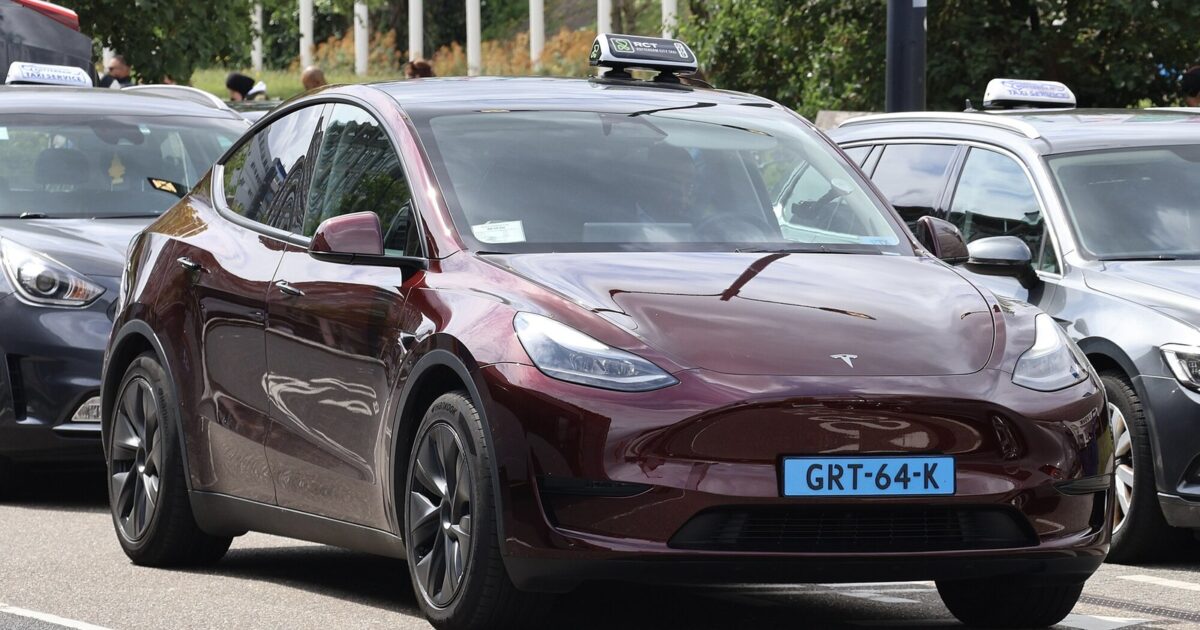
The Netherlands has officially approved Tesla’s FSD (Supervised) for use on Dutch roads — which under European vehicle-type approval rules means it can now roll out across the entire European Union. This is not a small pilot. This is the door to Europe, and it just opened.
Tesla Europe confirmed the news directly:
De toekomst van mobiliteit is aangebroken
— Tesla Europe, Middle East & Africa (@teslaeurope) April 10, 2026
FSD Supervised has been approved in the Netherlands 🇳🇱 & will begin rolling out in the country shortly!
Trained on billions of kilometers of real-world driving data, it can drive you almost anywhere under your supervision – from… pic.twitter.com/M5Vv02YHUE
For context: Tesla has been battling European regulators over FSD for years. Every single EU market has its own quirks, but the RDW — the Dutch vehicle authority — is one of the most respected type-approval bodies in Europe. If the Dutch sign off, the rest of Europe almost always follows. This is the regulatory unlock Tesla has been chasing since 2022.
Electrek explained why the RDW approval matters so much:
The Netherlands’ Rijksdienst voor het Wegverkeer (RDW) has been the gatekeeper for Tesla’s EU autonomous driving rollout for years. The agency requires extensive real-world testing, detailed system documentation, and formal approval of every software update that affects driving behavior.
With FSD (Supervised) now certified under the RDW’s framework, Tesla can begin rolling out the feature to compatible vehicles across the EU as part of a phased deployment, subject to each member state’s driver-training and activation requirements.
Phased deployment across the EU. That’s hundreds of thousands of Tesla owners in Europe who are about to get FSD on their cars — and millions of new data points flowing back to train the neural network.
Teslarati zoomed out on the data-engine implications:
Tesla’s FSD neural network improves with every mile driven, and opening up Europe effectively doubles the size of Tesla’s active training fleet. European driving conditions — narrower roads, tighter roundabouts, mixed pedestrian and cyclist traffic — are exactly the kind of edge cases that make FSD more robust when the data is folded back into training.
The European data is arguably more valuable than the US data at this point. US highways are wide and predictable. European streets are medieval, narrow, full of trams, cyclists, and one-way spaghetti. Training FSD on that footage is rocket fuel for making the whole system smarter everywhere.
This is a huge moment for Tesla’s global autonomy push. FSD is no longer a North America-only feature. It’s going global, one regulatory approval at a time — and the Dutch just lit the fuse for the entire EU.
Join the conversation!
Please share your thoughts about this article below. We value your opinions, and would love to see you add to the discussion!